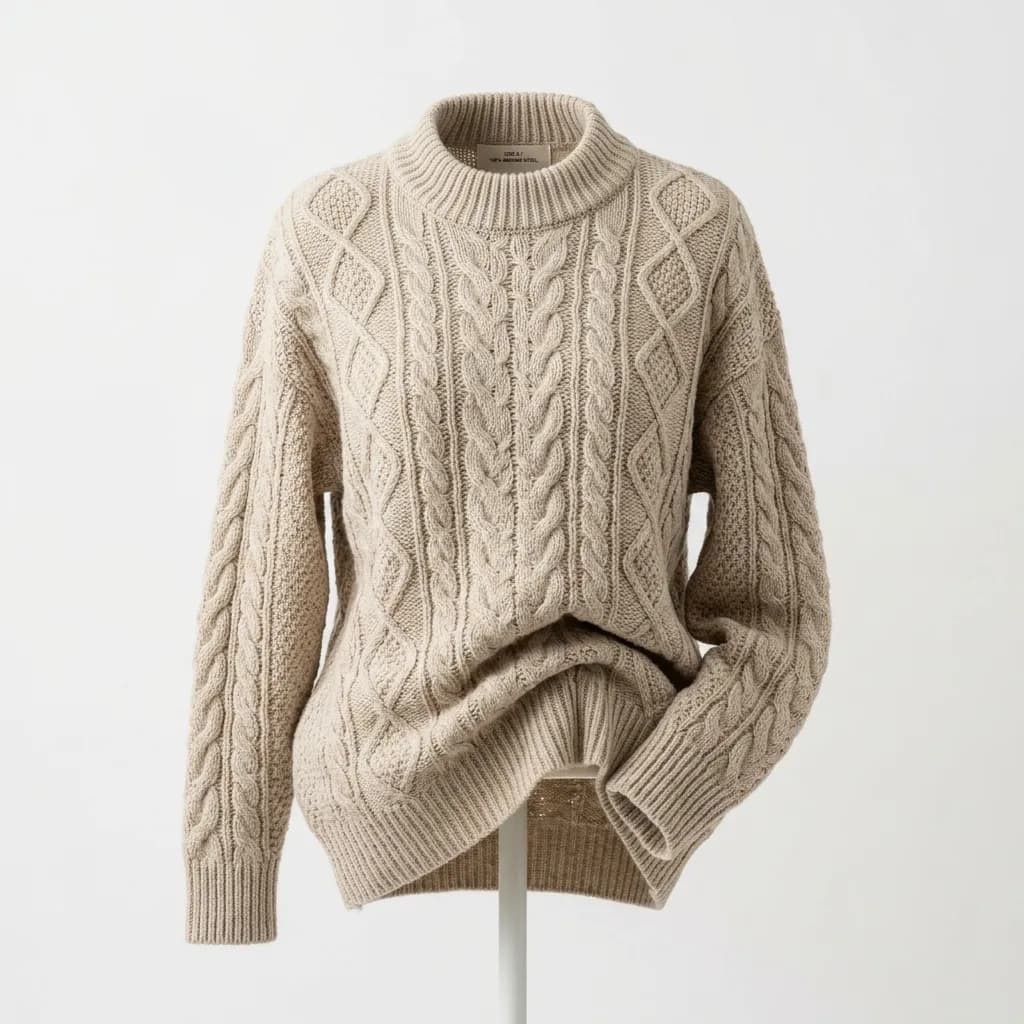
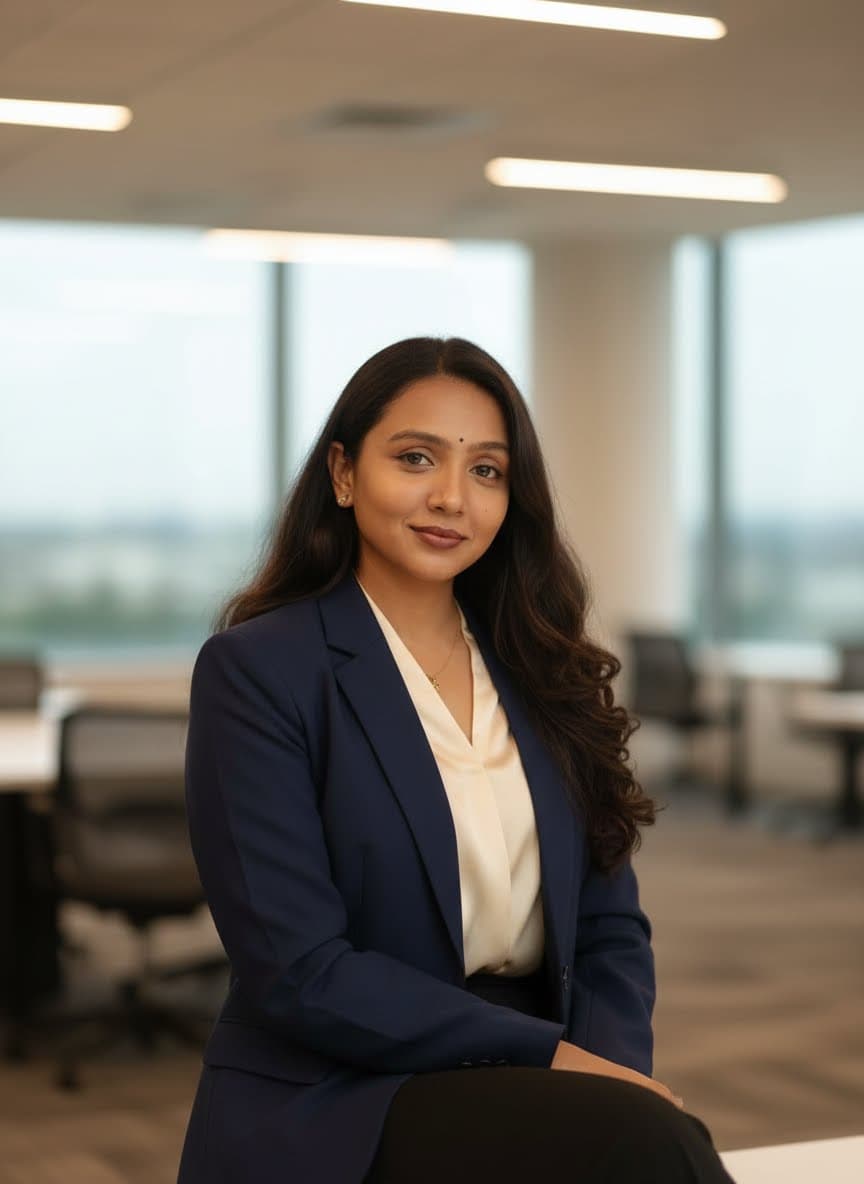
AI-generated models can produce a catalog shot in every size and pose without booking a single studio day. That efficiency raises real questions — about disclosure, about representation, and about how far retouching should go on real models. Here's a practical framework.
AI-generated fashion models can now produce a passable catalog image without a photographer, a studio, or a human model — a garment is digitally draped onto a synthetic figure and rendered in any pose, size, or setting. This is a genuinely useful production tool for some cases and a genuinely risky one for others, and the difference between the two usually comes down to disclosure and representation, not the technology itself. This guide covers what AI models can and can't replace, and separately, the longstanding ethical questions around retouching real models — body shape, skin, and proportions — that AI has made more visible but didn't create.
What AI-Generated Models Actually Do Well
- Rapid colorway and size variation: once a base garment render exists, generating it in every available color and across a size range is far faster and cheaper than rebooking a physical shoot for each variant.
- Early-stage visualization: for a garment still in design or sample stage, an AI render lets a brand preview how it will look on a body before committing to a full physical photo shoot.
- Volume catalog work for basic categories: simple, well-understood garment types (t-shirts, basic knitwear) render convincingly and cost-effectively at scale.
Where AI Models Currently Fall Short
- Fabric physics on complex garments: how a specific fabric actually drapes, moves, and creases — silk versus denim versus structured tailoring — is still difficult for AI rendering to get convincingly right, especially on anything with movement or complex draping.
- Genuine size and body diversity: AI models trained predominantly on a narrow range of body types can produce garment renders that don't actually reflect how the piece looks on the range of bodies a brand's real customers have — undermining the entire point of showing size-inclusive imagery in the first place.
- Brand identity and campaign storytelling: a real photoshoot with real models, real locations, and real creative direction carries a brand narrative and authenticity that a synthetic render generally can't replicate, particularly for campaigns built around a specific cultural moment or emotional story.
The Disclosure Question
The central ethical issue with AI-generated models isn't that they exist — it's whether shoppers know they're looking at one. A shopper deciding whether a garment will fit and look right on their own body is relying on the model image as a proxy for real-world appearance. If that image is synthetic and doesn't accurately represent how fabric drapes or moves, undisclosed use erodes the trust that image is supposed to build — and increases the likelihood of returns from shoppers whose expectations, set by the image, don't match what arrives. Regulatory attention to AI-generated commercial imagery is increasing globally, and disclosure practices that look adequate today may not meet tomorrow's requirements — brands adopting AI models should treat clear labeling as a baseline practice, not an optional extra.
Model Retouching Ethics: The Longer-Running Question
Separate from AI-generated models entirely, retouching real photographed models raises its own set of questions that predate AI by decades. The core distinction that matters:
- Legitimate retouching: removing temporary blemishes, correcting stray flyaway hairs, adjusting garment fit issues from the shoot (a pinned-back waistband, a bunched sleeve), color-correcting skin tone to match reality under studio lighting, and standard exposure/contrast work.
- Body-altering retouching: reshaping a model's actual body proportions — narrowing a waist, lengthening legs, altering muscle definition — to conform to an idealized standard rather than representing the model as they actually are.
The first category is standard, expected post-production. The second is where brands run real reputational risk: consumers and regulators in multiple markets have become significantly more attentive to body-altered advertising imagery, and the gap between an altered image and a customer's actual in-person experience of a garment is a documented driver of returns and lost trust.
A Practical Framework for Brands
- Retouch skin and blemishes, not body shape. Standard skin retouching (evenness, texture, temporary marks) is broadly accepted; altering the actual proportions of a model's body is where brands increasingly draw scrutiny.
- Disclose AI-generated models clearly, even where not yet legally required — the trust cost of being caught not disclosing generally exceeds the marginal benefit of not disclosing.
- Match retouched images to real-world product experience. If retouching makes a garment look different from how it actually fits and drapes on a real body, that gap becomes a returns and trust problem down the line, not just an ethics question.
- Use AI models for genuine production efficiency (colorways, sizes, early visualization), not as a substitute for real representation in campaigns where authenticity and diversity are part of the brand message.
Where the Two Issues Overlap
AI-generated models and body-altering retouching converge on the same underlying risk: images that don't represent physical reality, shown to customers making a purchase decision based partly on that image. Whether the gap between image and reality comes from a synthetic render or from aggressive body reshaping, the downstream effect is the same — a mismatch between expectation and delivery that shows up as returns, complaints, and erosion of brand trust over time.
The Regulatory Direction of Travel
Several markets already require disclosure for digitally altered advertising imagery of models — France's labeling requirement for "photographie retouchée" on commercial images that alter body appearance is the most established example, and similar disclosure conversations are active in other jurisdictions as AI-generated imagery becomes common in advertising. Brands operating across multiple markets should assume this direction continues rather than reverses: building disclosure into standard production workflow now costs far less than retrofitting it later under regulatory pressure, and treating labeling as routine rather than exceptional avoids the appearance of trying to hide the practice.
Why This Isn't Just a Compliance Question
Even in markets without a legal disclosure requirement, the business case for transparency holds on its own. Returns driven by a mismatch between marketing imagery and physical product experience are a direct, measurable cost — far more concrete than the abstract idea of "consumer trust." A brand that shows garments accurately, whether the model is real or AI-generated, whether retouching stayed within blemish correction or altered proportions, is optimizing for the metric that actually shows up on a P&L: return rate. Treating disclosure and restraint on body-altering retouch as an ethics-only issue undersells how directly they connect to the numbers a brand already tracks.
How This Plays Out Differently by Category
The right approach isn't identical across every product category. Fast-fashion sellers running thousands of SKUs a month lean hardest on AI models for volume colorway and size renders — the economics of rebooking a physical shoot for every variant simply don't work at that speed, and the risk tolerance for a basic t-shirt render is genuinely lower than for a tailored jacket where drape matters. Luxury and designer brands face the opposite calculus: a synthetic render that doesn't capture how a premium wool coat actually falls undermines the positioning the price is supposed to justify, so most luxury catalogs still lean on real photography and reserve AI tools for early design visualization rather than final catalog imagery. Marketplace sellers on platforms like Amazon or Etsy sit in between — platform image policies increasingly require disclosure or restrict synthetic imagery outright, so before leaning on AI-generated models for marketplace listings, check the specific platform's current policy rather than assuming a blanket rule applies. Body-altering retouch carries the same variable risk: it draws more scrutiny in categories where fit is a purchase-critical detail (swimwear, fitted apparel, activewear) than in categories where garment shape does most of the visual work (outerwear, loose knitwear) — but the underlying principle, correct proportions, is the same everywhere.
Vetting a Retouching Vendor on This Standard
If body-altering retouch and undisclosed AI imagery are risks worth managing, that management has to happen somewhere in the production pipeline — usually with whichever vendor handles final retouching. Ask directly: does the vendor have a written policy distinguishing blemish and skin correction from body reshaping, or is the line left to individual retoucher judgment case by case? Will they flag a request that crosses from correction into reshaping, or execute whatever the brief asks for without pushback? A vendor willing to say "we don't do that" to a body-reshaping request is a stronger long-term partner than one that will execute anything submitted — the latter shifts the entire ethical and reputational risk back onto the brand with no safety net. The same applies to AI-generated model imagery: a vendor that flags when a synthetic render doesn't match a garment's actual drape, rather than delivering a technically clean but misleading image, is protecting the brand from a returns problem before it happens.
A Quick Checklist for Brands
- Is any AI-generated model imagery clearly labeled as such to shoppers, not just buried in fine print?
- Does retouching on real models stay within skin/blemish correction rather than altering actual body proportions?
- Would a customer's in-person experience of the garment roughly match what the image implied about fit and drape?
- Is size and body diversity in imagery genuine (real models of varying sizes) rather than a single AI-generated body type rendered in different garment sizes?
Our model retouching service handles skin, hair, and garment-fit corrections on real photographed models without altering actual body proportions — delivered in 24–48 hours. Submit 5 images for a free trial to see the difference between standard retouching and the body-altering work we don't do.