Image Editing Blog —
Tips, Tutorials & Insights.
Expert image editing tutorials, retouching tips and e-commerce photography guides from our team of 80+ professional editors.
 E-Commerce
Print-on-Demand Mockups vs. Real Product Photography: When to Switch
Digital mockups get a print-on-demand store to launch fast, but they carry real costs most sellers don't calculate until they've already lost sales to them. Here's when mockups are genuinely fine and when the switch to real photography earns its cost back.
 E-Commerce
Faire Wholesale Product Photography: Image Requirements for Brand Sellers
Faire's audience isn't end consumers — it's independent retail buyers deciding whether to stock a product in their store, which changes what a listing photo needs to communicate. Here's what makes Faire wholesale photography different from Amazon or Etsy imagery.
 Apparel
Selling on Vinted, Depop, and Poshmark: Photo Editing Rules for Resale
Resale platforms run on a different trust model than new-item marketplaces — buyers expect to see the actual item, flaws included, and over-editing a secondhand listing can tank trust faster than a bad photo ever could. Here's how much editing is appropriate on Vinted, Depop, and Poshmark, and where the lines are.
 Product
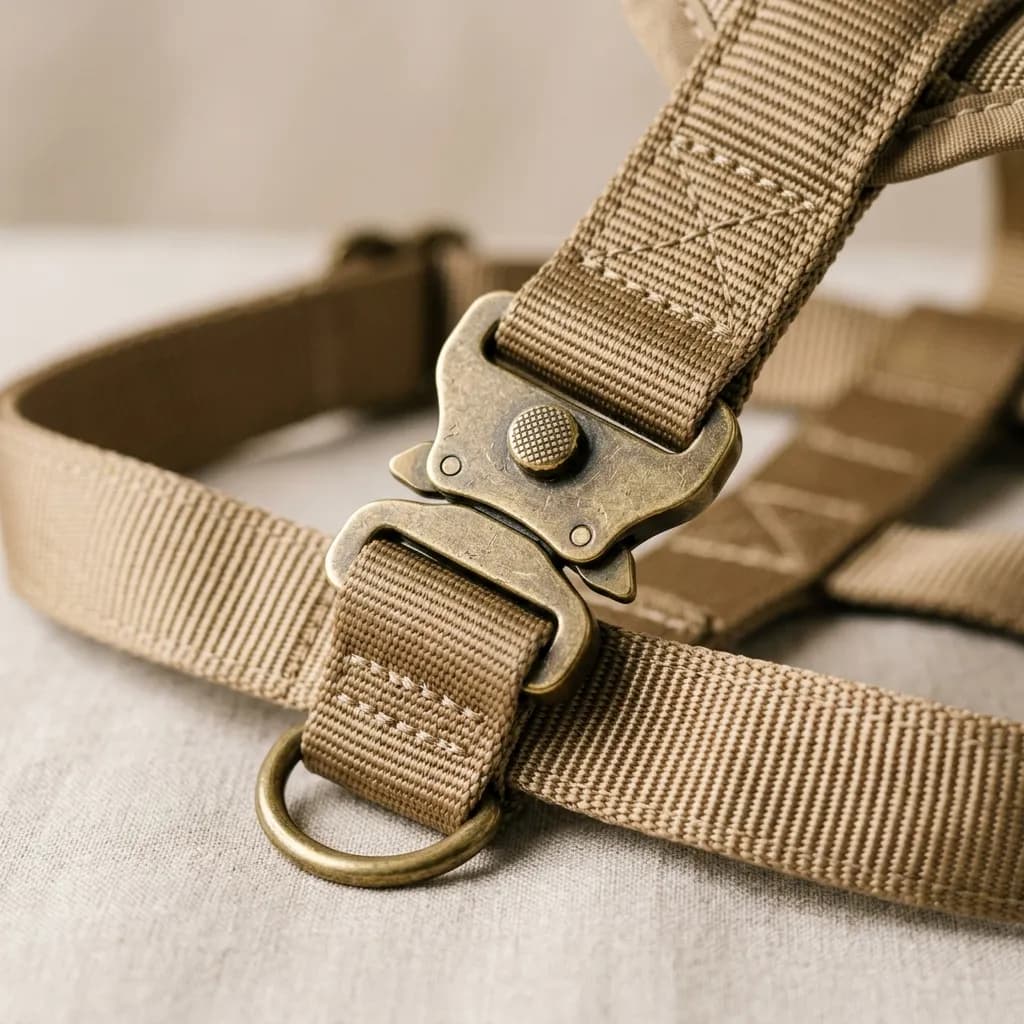
Pet Product Photography Editing: A Guide for Pet Brand Sellers
Pet products sit in an unusual spot between apparel, home goods, and lifestyle photography — sizing is confusing without visual reference, texture matters more than most categories, and live-animal shots carry editing challenges general product photography doesn't. Here's what pet brand sellers need to know.
 Photoshop
PhotoCraft vs Photoshop: Is the Free, AI-Built Clone Ready for Professional Photo Editing?
PhotoCraft, a free open-source clone of Photoshop built with AI, went from zero to tens of thousands of GitHub stars in about a week. We looked at what it can actually do, what its own developers say is missing, and whether a professional retouching studio should switch to it yet.
 Beauty
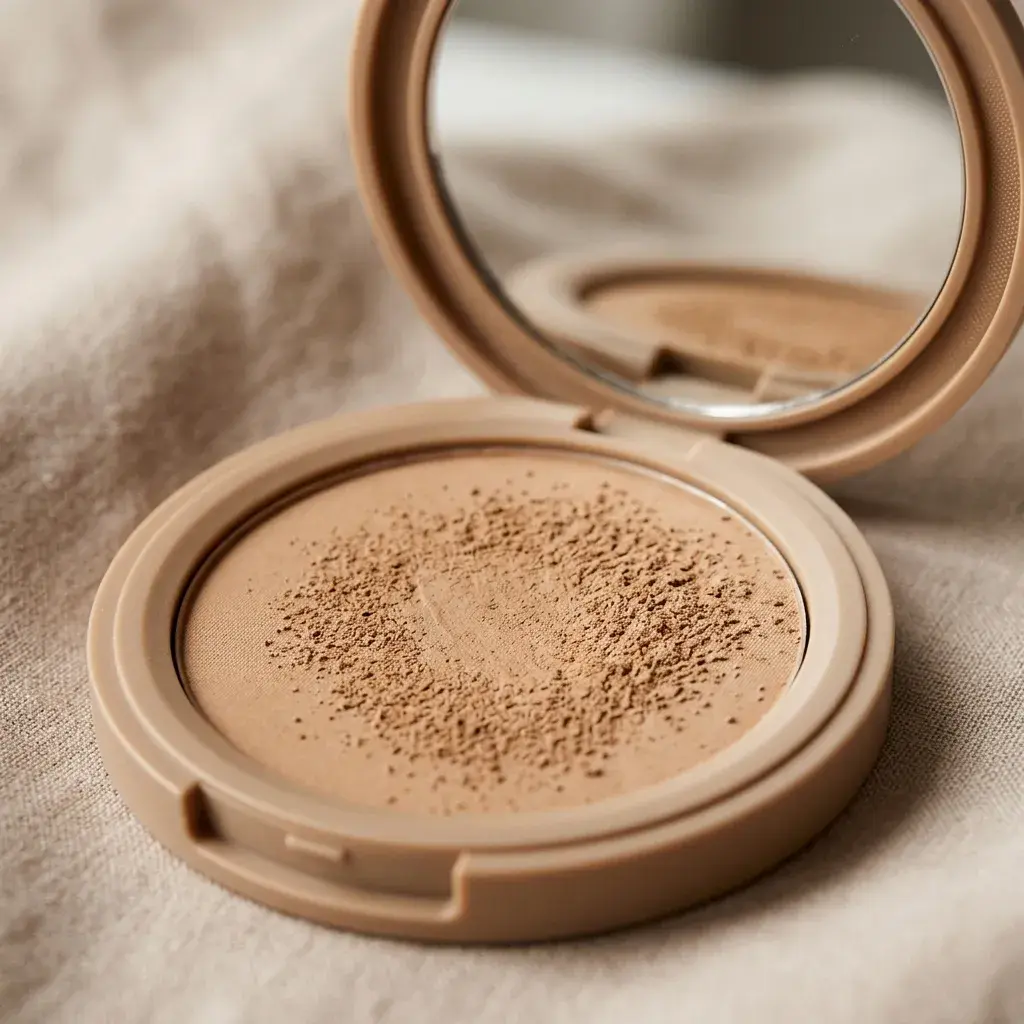
Cosmetics and Beauty Product Photo Editing: A Complete Guide
Beauty products live or die on color accuracy and texture — a shade that photographs differently than it applies, or a glossy packshot that hides a swatch's true finish, drives returns and refund requests directly. Here's how beauty and cosmetics photo editing differs from general product retouching.
 E-Commerce
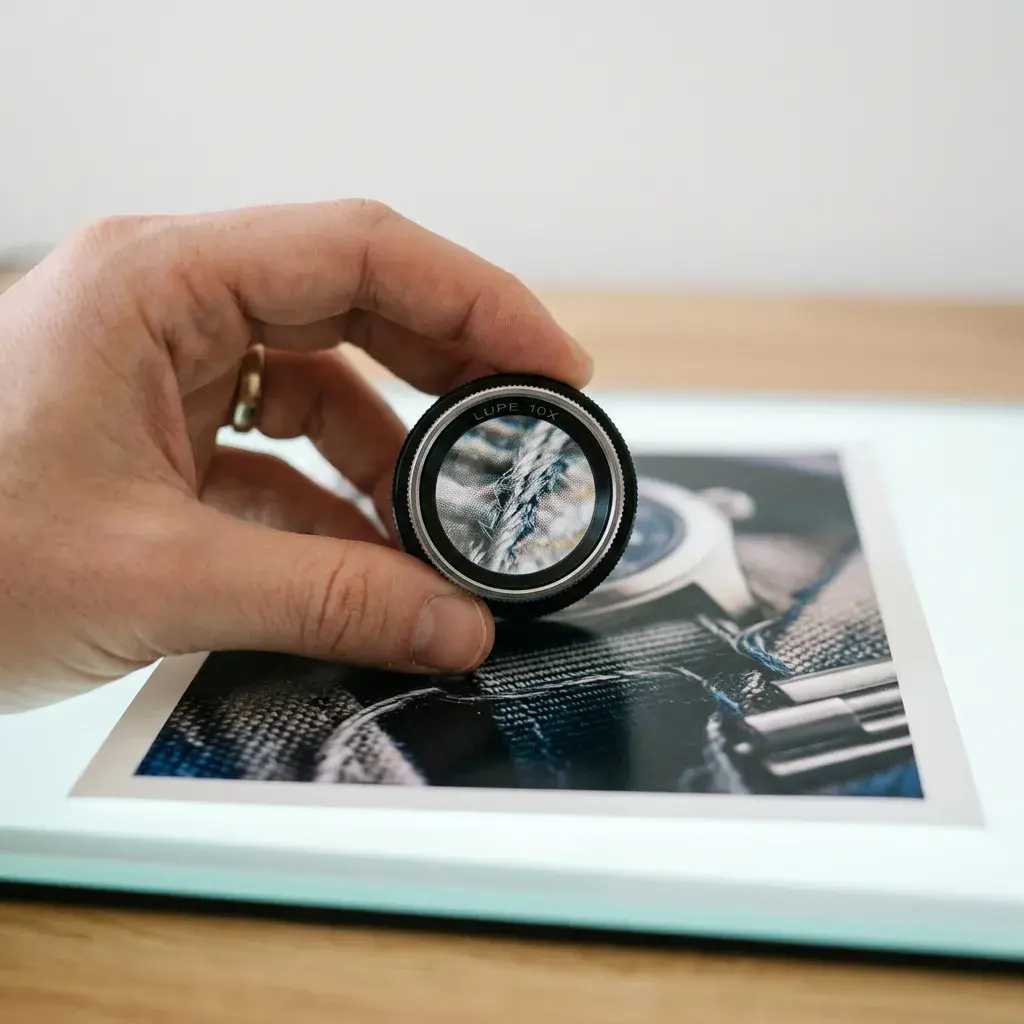
 Photo Editing QA Checklist: Catch Errors Before You Publish
One bad image slipping through review costs more than the time it takes to catch it — a rejected marketplace submission, a returned order from color mismatch, a listing that looks unprofessional next to competitors. Here's a systematic pre-publish QA checklist built for catalog-scale review.
 E-Commerce
How to Choose a Product Photo Editing Vendor: A Buyer's Checklist
Picking a photo editing vendor on price alone is how most bad partnerships start. Here's what actually predicts whether a vendor will hold up at volume — turnaround consistency, revision policy, security practices, and how they handle a free sample batch.
 Clipping Mask
How to Create a Clipping Mask in Photoshop: Complete Guide
A clipping mask uses one layer's shape to control where another layer is visible — without permanently erasing a single pixel. Here's exactly how to create one, when to use it instead of a layer mask or clipping path, and the e-commerce jobs it's actually built for.
 GIMP
GIMP vs Photoshop for Product Photo Editing: Which Should You Use?
GIMP is free and Photoshop isn't, but for e-commerce product photos the real question isn't price — it's whether a free tool can handle the precision, batch volume, and color accuracy a product catalog actually needs. Here's an honest comparison of both, task by task.
 Lasso Tool
 in Photoshop: Complete Tutorial
The Lasso Tool is the fastest way to make a rough selection in Photoshop, but it's not one tool — it's actually three distinct tools, each suited to a different edge type. Here's how to use all three, and the honest answer on when a lasso selection is good enough for product photography and when it genuinely isn't.
 Illustrator
How to Merge and Combine Layers in Illustrator
"Merge layers" and "combine shapes" sound like the same thing in Illustrator, but they're two completely different operations that produce very different results. Here's how to do each one correctly, and why picking the wrong one on a product graphics file causes real problems downstream.
 Photography
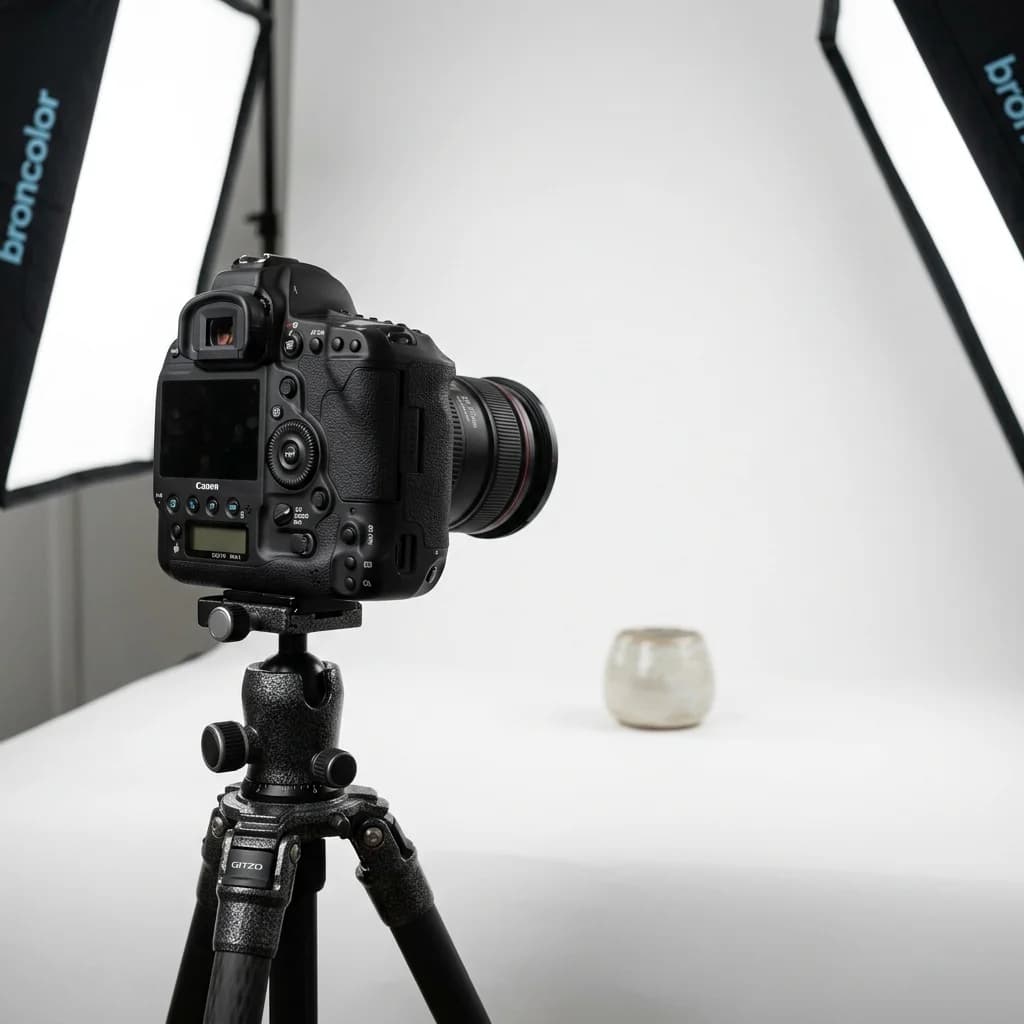
Best Camera Settings for Product Photography
Most product photography problems trace back to three or four camera settings, not the camera itself. Here's exactly what to set, why, and how the right numbers change depending on whether you're shooting reflective jewelry, matte fabric, or glass.
 E-Commerce
TikTok Shop Product Image Requirements 2026: Complete Seller Guide
TikTok Shop is a video-first platform, but static product images still carry real weight — in the product catalog card, in search results, and increasingly in how the algorithm decides which listings get surfaced. Here's the full technical spec and what makes TikTok Shop's image rules different from a standard marketplace.
 Technique
WebP vs. AVIF vs. JPEG: Choosing the Right Format for Product Images
Every product image format makes a different tradeoff between file size, quality, and compatibility, and picking wrong costs conversions either way — too large and pages load slowly, too aggressive and product detail degrades. Here's an honest comparison of WebP, AVIF, and JPEG for e-commerce use.
 Technique
Food Product Photo Editing: What Makes Packaged Food Photography Different
Food photography carries a retouching problem most product categories don't: color accuracy isn't just about matching the packaging, it's about matching the food itself, and there are legal lines around enhancement that don't exist for a t-shirt or a lamp. Here's what actually differs about editing food product photos.
 Technique
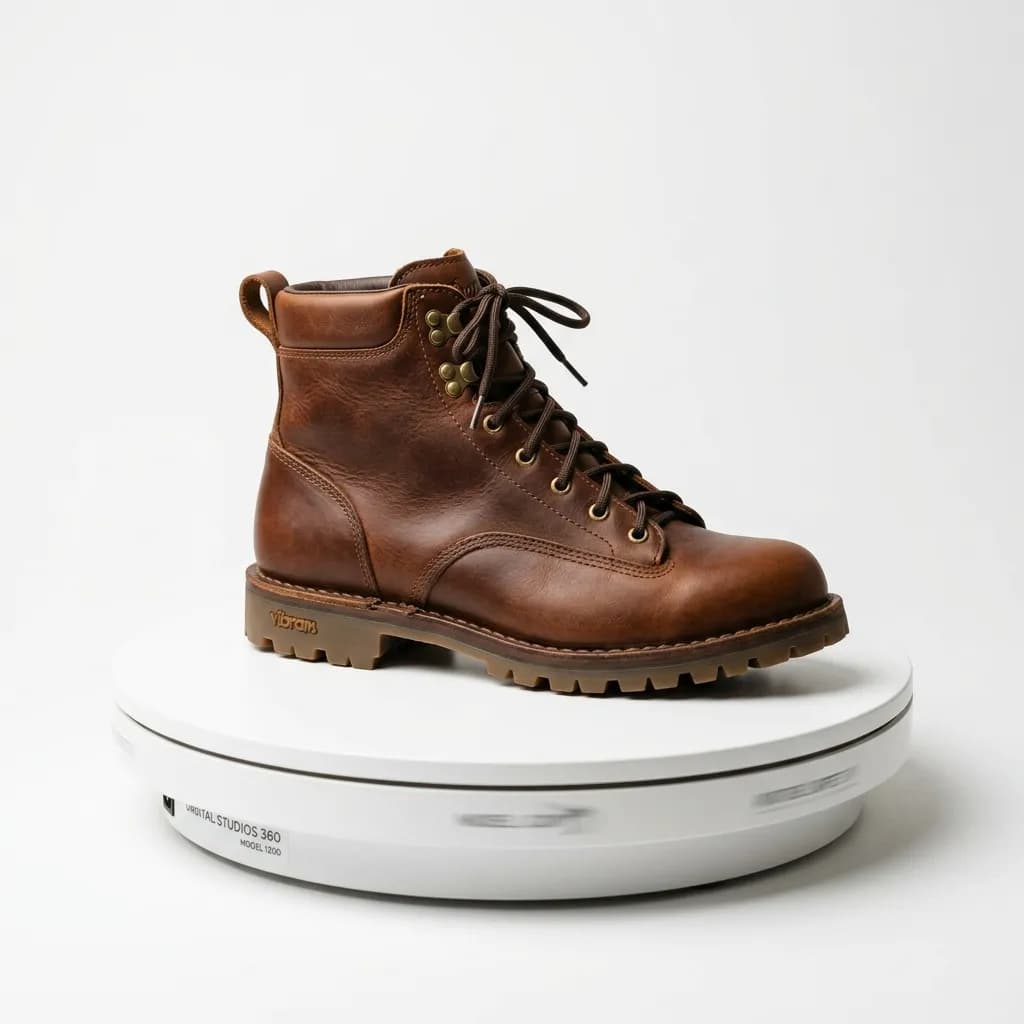
360-Degree Product Photography: When It Pays Off and How It's Made
A 360-degree spin lets a shopper do the one thing a static photo can't — turn a product in their own hands. It isn't free to produce, and it isn't equally valuable across every category. Here's how spin photography actually works and where the investment pays off.
 Newegg
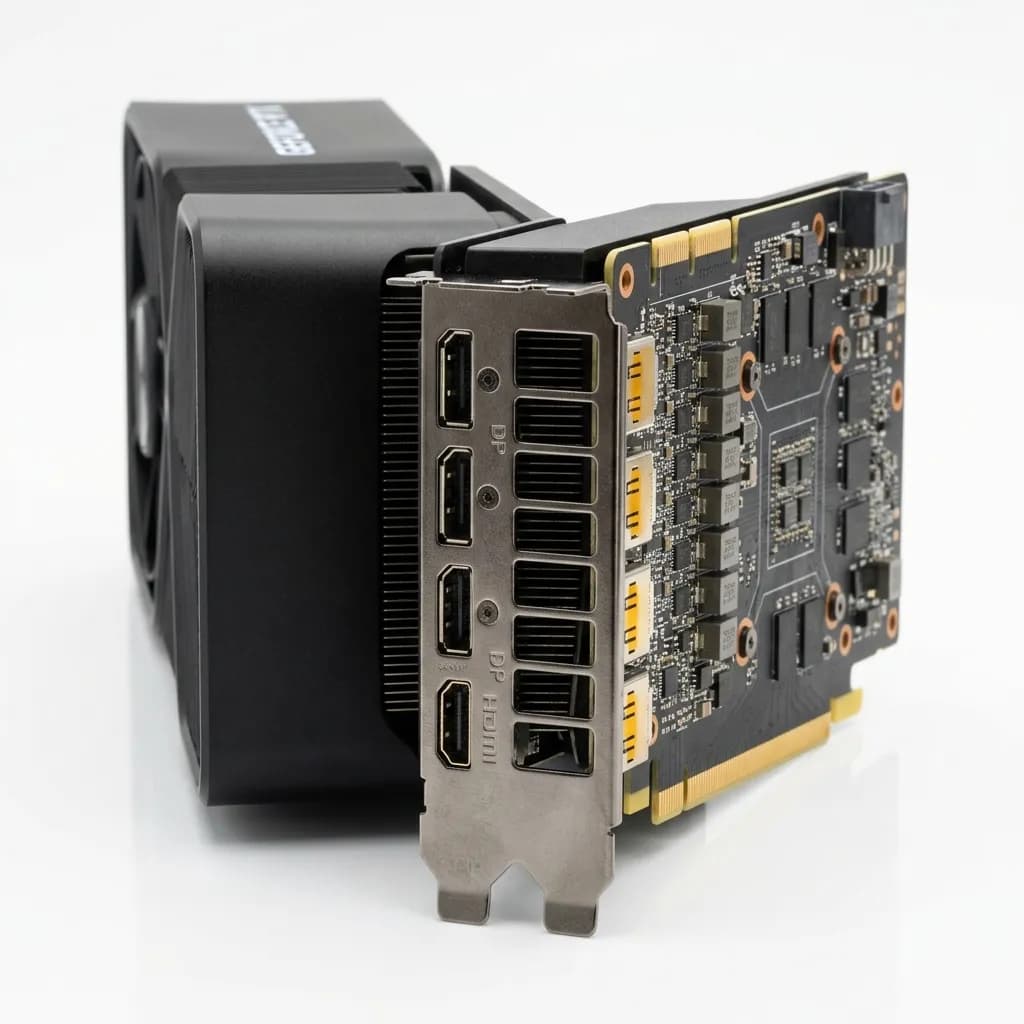
 Marketplace Image Requirements 2026: Electronics Seller Guide
Newegg's buyer base is more technical than most marketplaces — shoppers comparing GPUs, motherboards, and components scrutinize port layouts and build quality before adding to cart. Here's the full image spec and the detail-shot conventions that matter specifically for electronics.
 Wayfair
 Image Requirements 2026: Furniture & Home Goods Sellers
Furniture sells on scale and context in a way most product categories don't — buyers need to judge how a piece will actually look and fit in a room, not just what it looks like in isolation. Here's the full Wayfair image spec for furniture and home goods sellers.
 Zalando
 Product Image Requirements 2026: Technical Guide for Fashion Brands
Zalando is Europe's largest fashion marketplace, and its image standards are built around apparel specifically — portrait framing, model pose rules, and ghost mannequin conventions that don't map cleanly onto general marketplace specs. Here's the full technical breakdown.
 Walmart
 Marketplace Image Requirements 2026: Complete Seller Guide
Walmart Marketplace grades every listing's images against a Content Quality Score that directly affects search placement. Full technical spec: main image rules, swatch requirements, lifestyle slots, and the most common rejection reasons.
 AI
AI-Generated Fashion Models & Model Retouching Ethics: What Brands Need to Know
AI-generated models can produce a catalog shot in every size and pose without booking a single studio day. That efficiency raises real questions — about disclosure, about representation, and about how far retouching should go on real models. Here's a practical framework.
 AI
AI Photo Editing vs Human Retouching: What Actually Delivers for E-Commerce in 2026
AI background removal is fast, cheap, and genuinely good enough for a plain white sneaker on a white background. It falls apart on jewelry, fine hair, and reflective surfaces. Here's an honest breakdown of where each approach actually wins.
 Image Masking
 for Hair, Fur & Transparent Products: The Complete Technique Guide
A clipping path draws a hard vector line — great for a bottle, useless for hair. Image masking reads pixel-level luminance instead of tracing an outline, which is the only way to extract hair, fur, glass, or smoke without a fake-looking plastic edge.
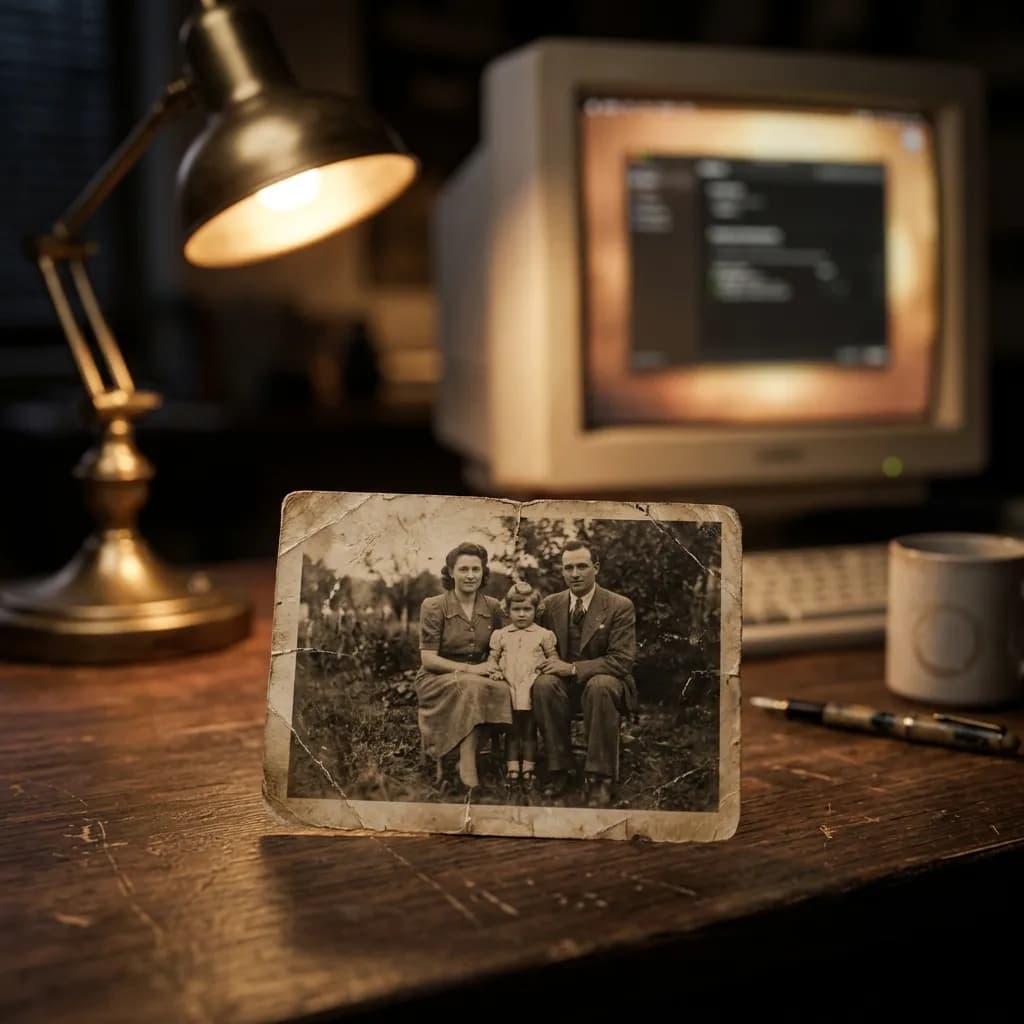 Photo Restoration
 for Brands: When and Why Retailers Restore Archive Images
A torn, water-stained, or faded photograph isn't gone — most of what survives can be recovered. Here's what photo restoration actually fixes, how scanning quality determines the result, and where the technique's real limits are.
 Real Estate
HDR Real Estate Photo Editing: How It Works and When You Need It
A camera can't capture a bright window and a shadowed room correctly in one shot — the dynamic range is too wide. HDR blending is how real estate photography solves that, and it's the difference between a listing photo that sells and one buyers scroll past.
 Automotive
Car Photo Editing: Reflections, Backgrounds, and Dealer Listing Standards
A car is a giant curved mirror. Every panel reflects the parking lot, the sky, the photographer holding the camera — which is why a raw dealership photo almost never looks like the vehicle it's selling. Here's what car photo editing actually fixes and how to brief it.
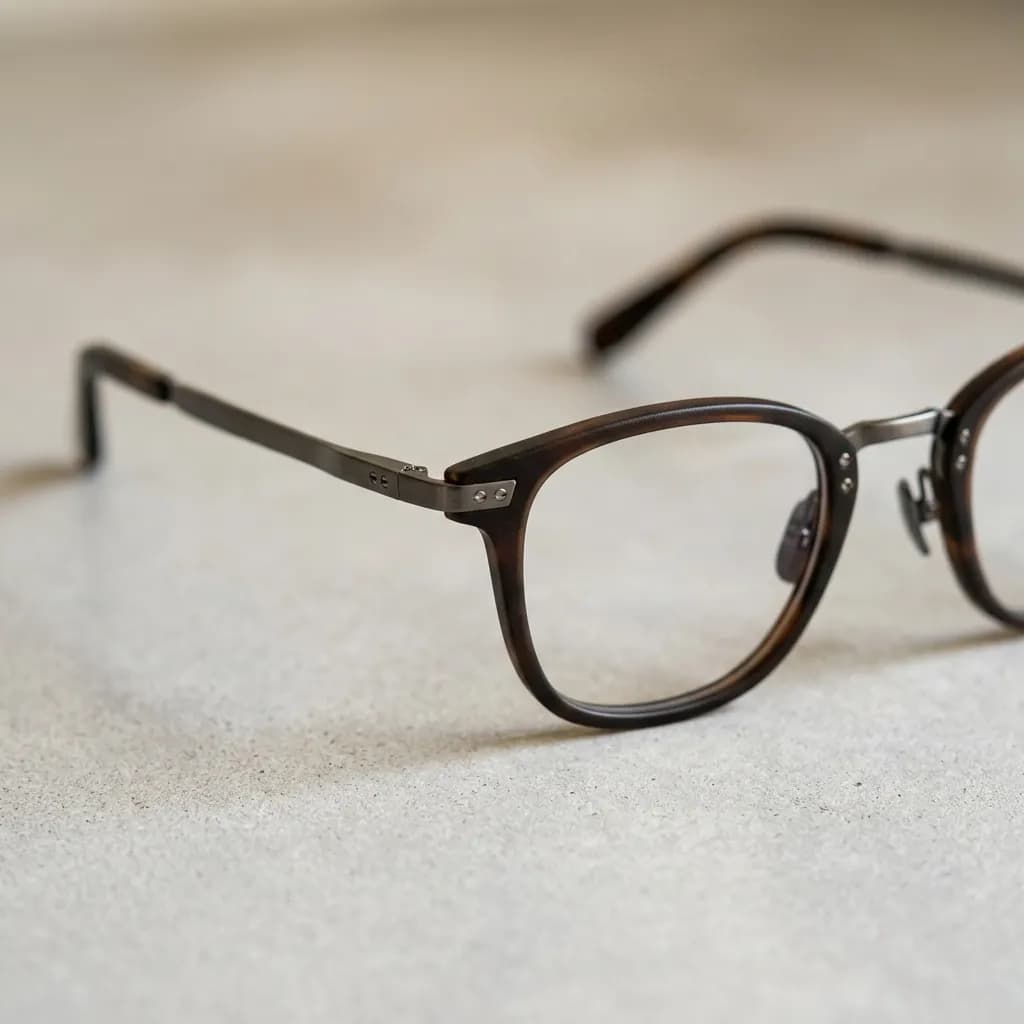 Multi-Clipping Path
: When One Clipping Path Isn't Enough
A standard clipping path removes the background. A multi-clipping path isolates every component of the product — laces, sole, logo, fabric — onto its own layer, so one shoot can generate every colorway in your catalog.
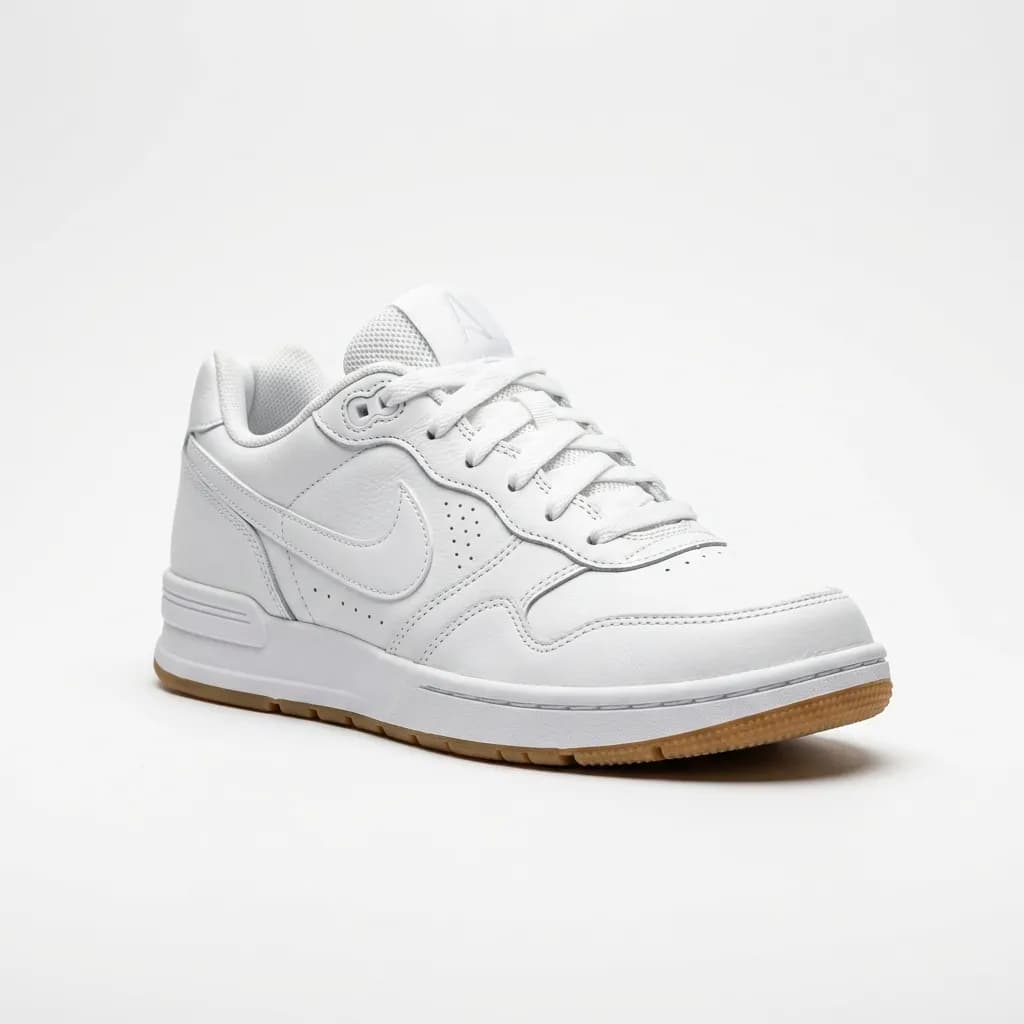 Packshot
 Retouching: The Complete Guide to Perfect Product-in-Packaging Shots
A crooked label or a dented carton corner is a small detail — until your product sits next to a competitor's on the digital shelf. Here's exactly what packshot retouching fixes, how it's done, and how to brief it correctly.
 Licensing
Product Image Rights and Licensing: A Practical Guide for E-Commerce Sellers
Who actually owns your product photos — you or the photographer? Understanding copyright ownership, licensing models, model releases, and DMCA risk is essential for every e-commerce seller. This guide covers the legal essentials and a practical pre-publishing checklist.
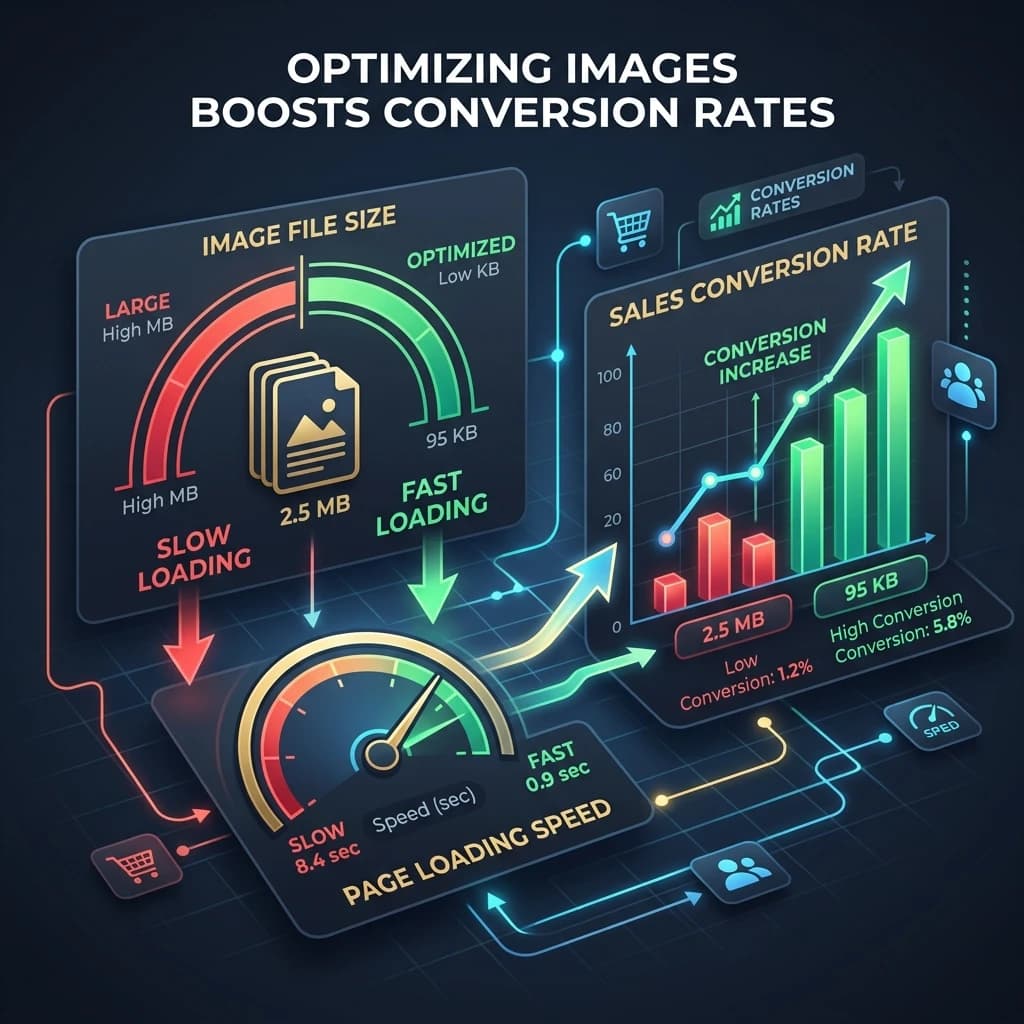 Page Speed
Image File Size, Page Speed, and Sales: The Direct Link E-Commerce Sellers Miss
Slow product images don't just frustrate shoppers — they cost you sales at a measurable rate. Google and Deloitte research puts the figure at roughly 1% in conversions per 100ms of delay. Here's how to audit your images, hit the right file size targets, export correctly, and use Next.js, lazy loading, and a CDN to close the gap.
 Conversion
Product Image A/B Testing: How to Use Split Tests to Lift Conversions
Product images are the highest-leverage conversion variable on any listing — above copy, above price. Here's how to run image A/B tests correctly: what to test, how to use platform tools, what sample size you actually need, and which results the data consistently shows.
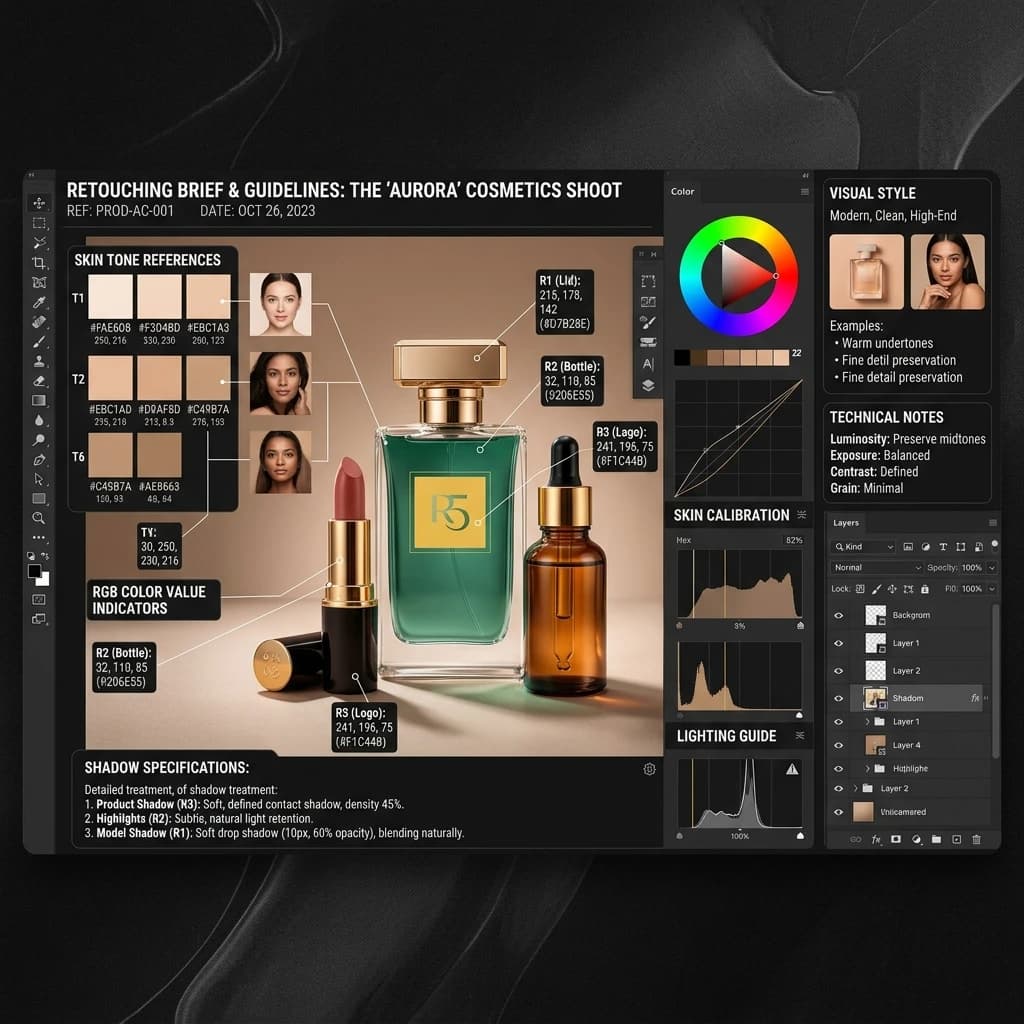 Outsourcing
How to Brief a Photo Retoucher: The Complete Guide
A vague brief costs you revision rounds. A precise one gets accurate results first time. Here's exactly what to include in a retouching brief — from RGB background values to skin tone reference ranges — and a reusable template to use from your next batch.
 Workflow
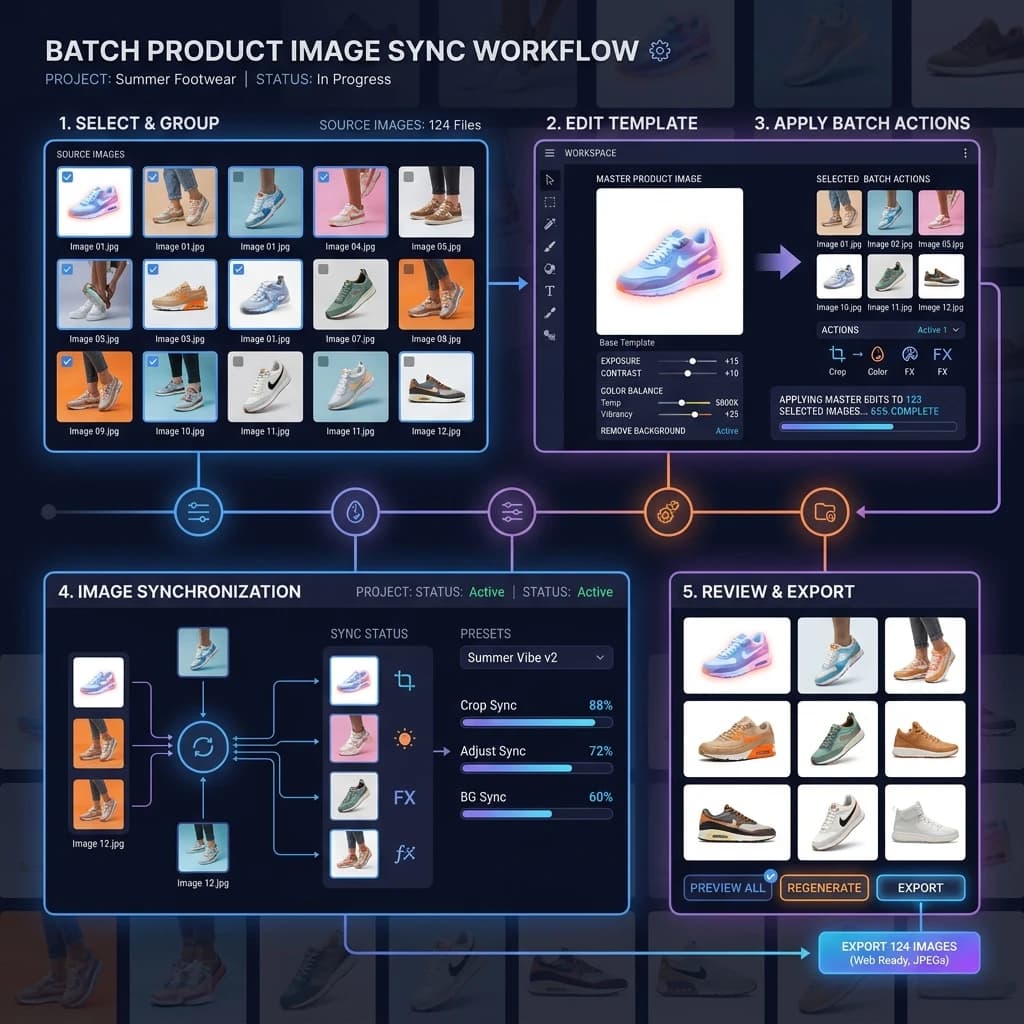
Batch Editing Product Images: Photoshop & Lightroom Workflow Guide
500 products shot over three days look wildly inconsistent without a proper batch workflow. Here's the exact process — from camera settings to final export — that keeps every image consistent at scale.
 Lifestyle
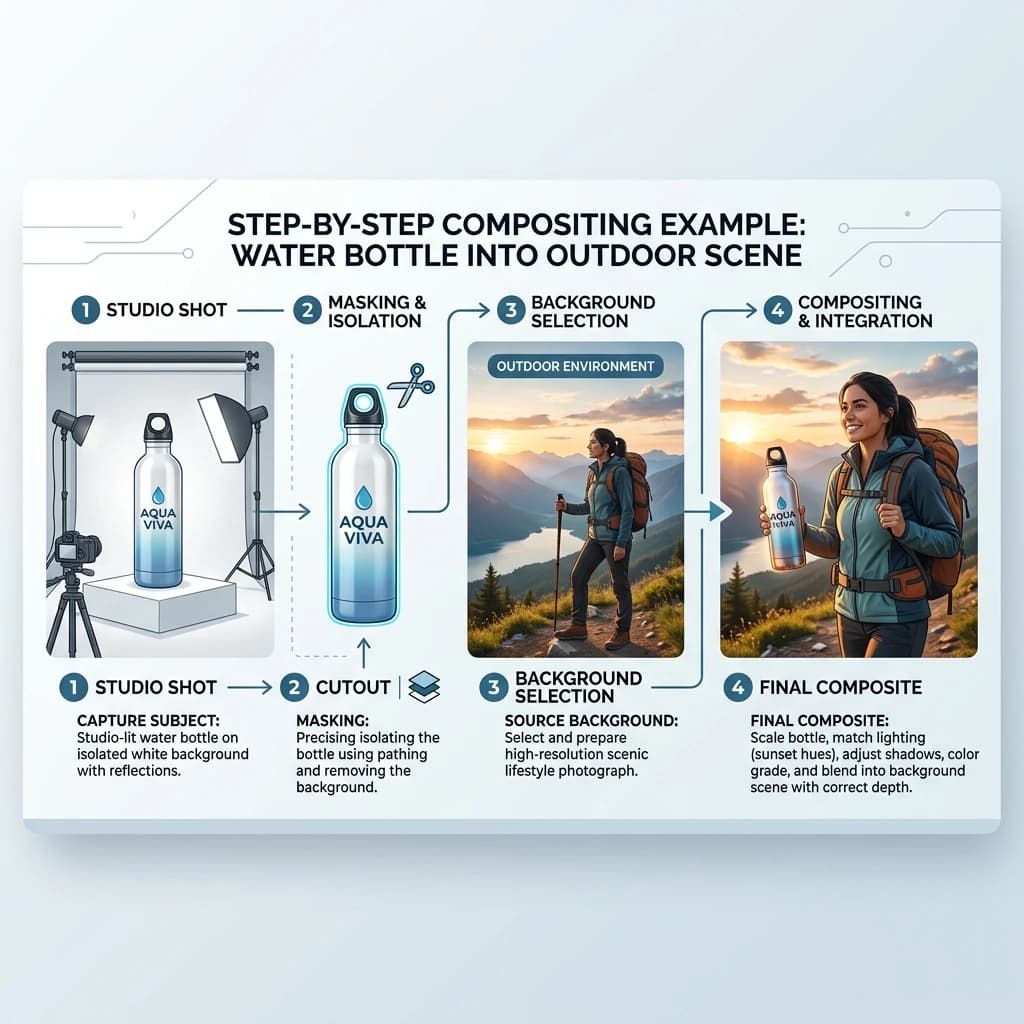
 Product Composite Photography: A Step-by-Step Technique Guide
A great product composite looks like a single photograph. A bad one looks like a sticker pasted on a stock photo. Here's the exact workflow that separates the two.
 Apparel
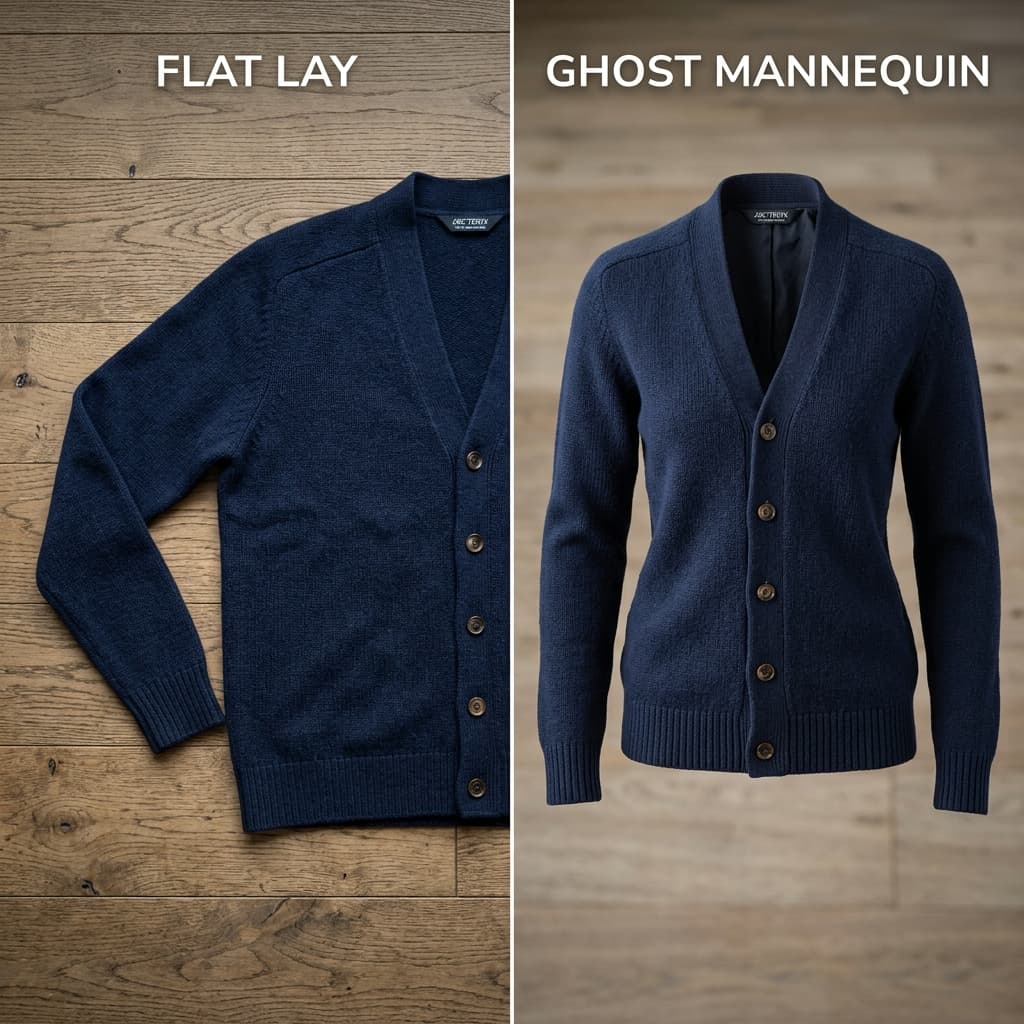
Ghost Mannequin vs Flat Lay: How to Choose the Right Technique for Your Apparel
Two garments, two completely different photography techniques — and picking the wrong one costs you conversions or gets your listing rejected. Here's how to decide, garment by garment.
 Jewelry
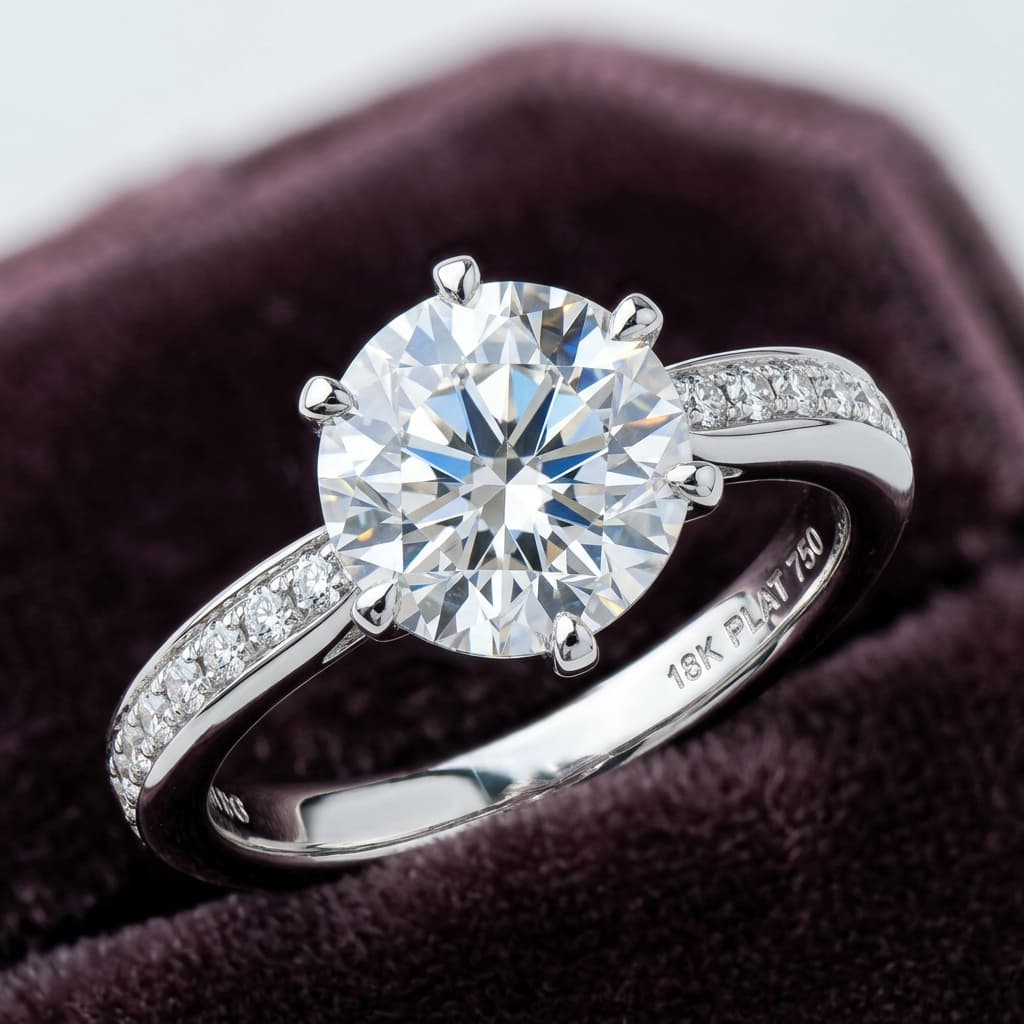
 Product Photo Retouching: The Complete Step-by-Step Guide
Jewelry is the hardest product category to retouch — reflective metal, transparent stones, and microscopic dust all show up at zoom level. Here's the exact six-step workflow professional retouchers use to get it right.
 Farfetch
 Seller Image Requirements 2026: The Complete Technical Guide
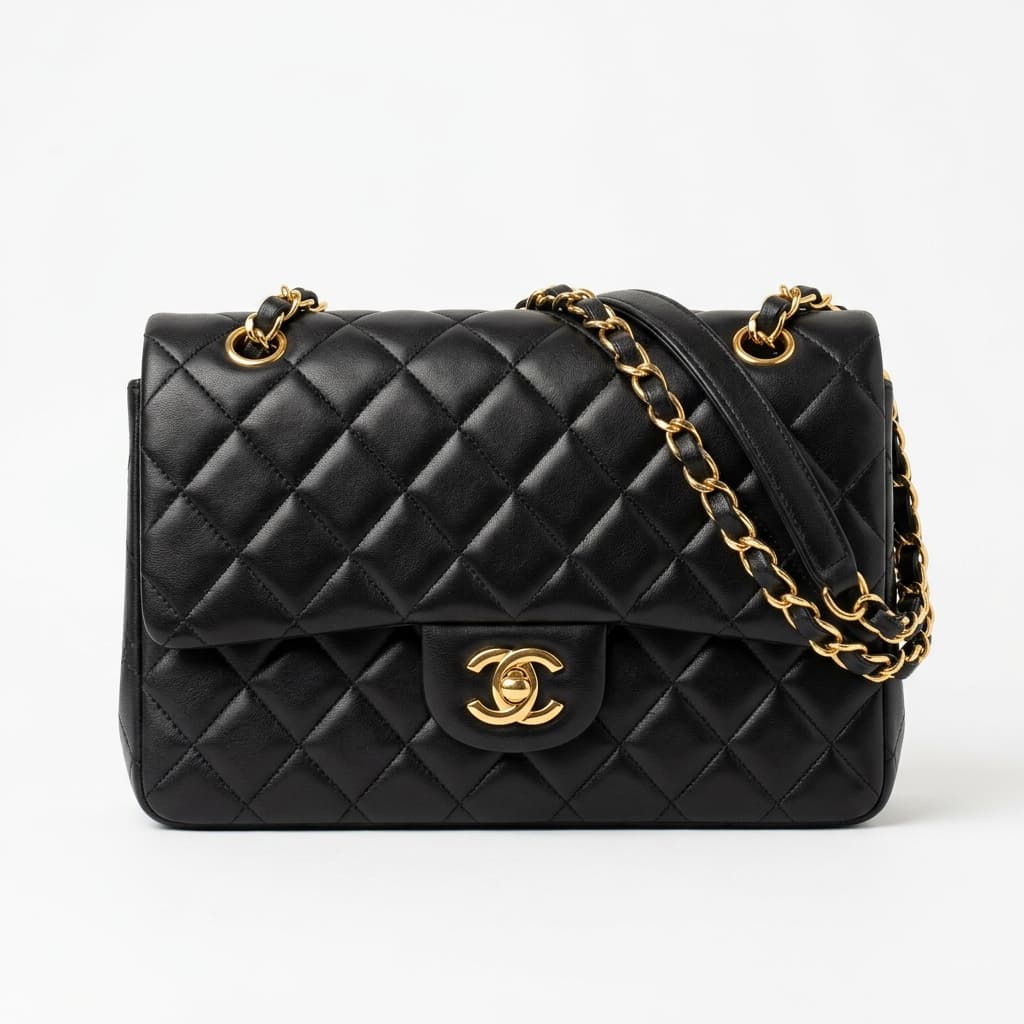
Farfetch enforces the highest image standards of any fashion marketplace. From ghost mannequin requirements to handbag interior shots and luxury hardware close-ups — the complete technical specification for FPAD-compliant product images.
 Kaufland
 Image Requirements 2026: Complete Guide for Sellers
Kaufland.de's data quality score directly affects your product ranking. Full technical spec: background rules, minimum dimensions, EAN/GTIN requirements, category-specific image rules, and how to prepare images for the German marketplace.
 Rakuten
 Image Requirements 2026: Complete Technical Guide for Sellers
Rakuten Ichiba enforces strict image standards across its shop-in-shop marketplace. Full technical spec: main image dimensions, background rules, secondary image slots, R-Cabinet file naming, and mobile optimisation for Japan's dominant e-commerce platform.
 Target
 Seller Image Requirements 2026: The Complete Technical Guide
Non-compliant images on Target.com trigger listing suppression and hurt your content score. Full technical spec: main image rules, swatch requirements, lifestyle slots, 360-spin and video formats, and Target's Content Accuracy Policy.
 Pinterest
 Shopping Image Requirements 2026: The Complete Technical Guide
Pinterest suppresses blurry and non-optimised pins without warning. Full technical spec: optimal ratio, file limits, text overlay rules, Product Pin requirements, and why high-saturation images dominate the feed.
 Jewelry
Focus Stacking for Jewelry Photography: Step-by-Step Guide
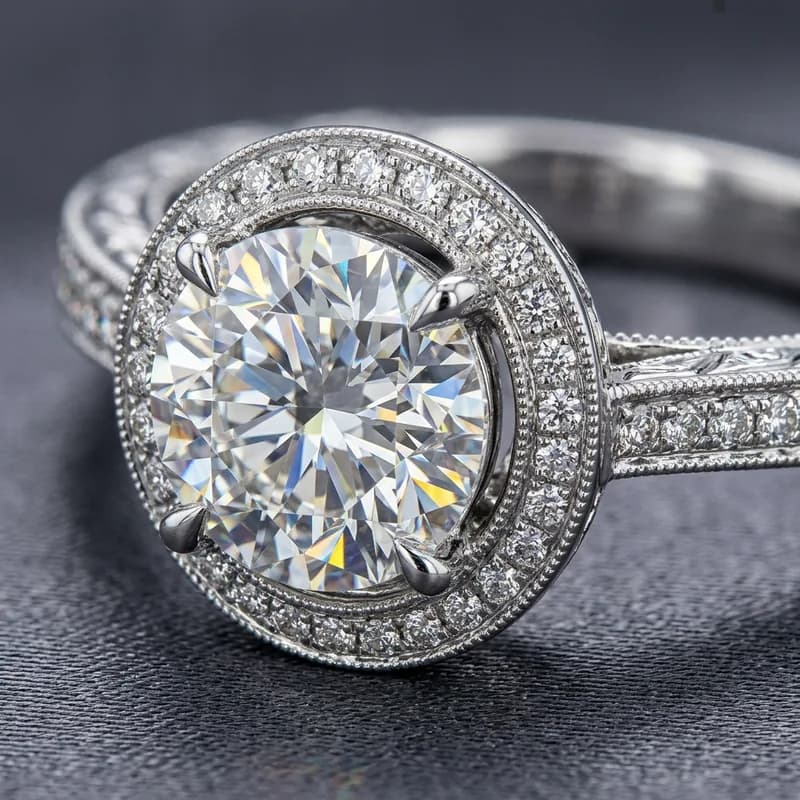
A diamond ring is 3mm deep. At macro distances, you can only get one plane in focus at a time. Focus stacking solves this — and it's the technique behind every professional jewelry photo you've seen.
 E-Commerce
Product Photography Lighting: Studio Lights vs Natural Light
Your lighting setup is the single biggest factor in product photo quality — bigger than your camera. Here's an honest comparison of studio lights vs natural light for e-commerce.
 E-Commerce
How to Write Image Alt Text for E-Commerce SEO
Most e-commerce stores leave alt text blank or auto-generate it from the filename. That's a missed SEO opportunity on every single product image. Here's how to do it right.
 E-Commerce
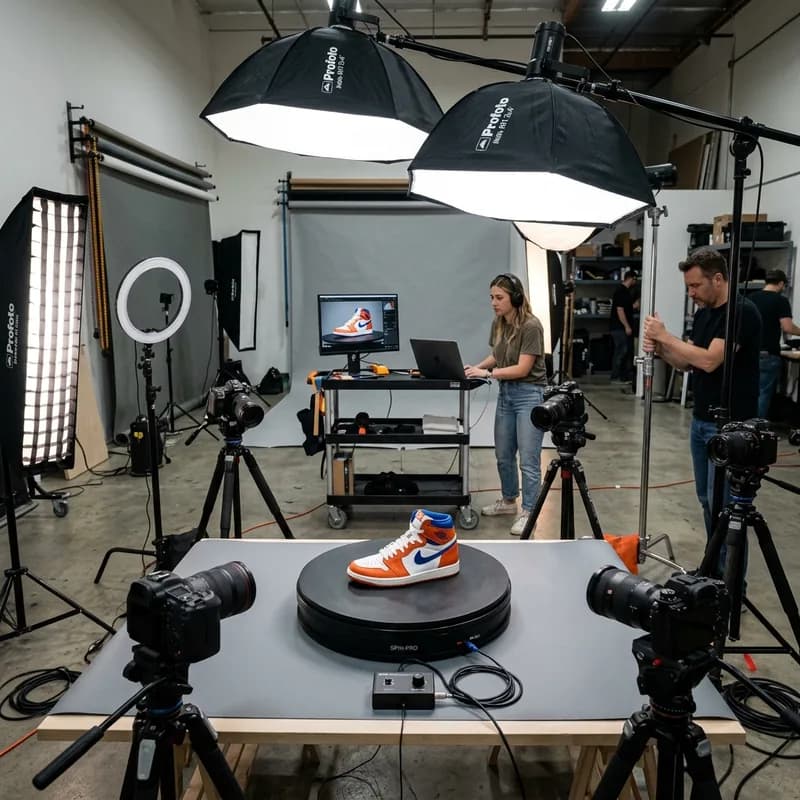
How Many Product Images Do You Need Per Listing?
More images almost always means more sales — but there's a point of diminishing returns. Here's the platform-by-platform breakdown of how many product photos you actually need.
 E-Commerce
Drop Shadow vs Reflection Shadow vs Natural Shadow for Product Photos
Shadows make products look grounded and real. But the wrong shadow type for your product or platform can actually hurt conversions. Here's the full breakdown.
 E-Commerce
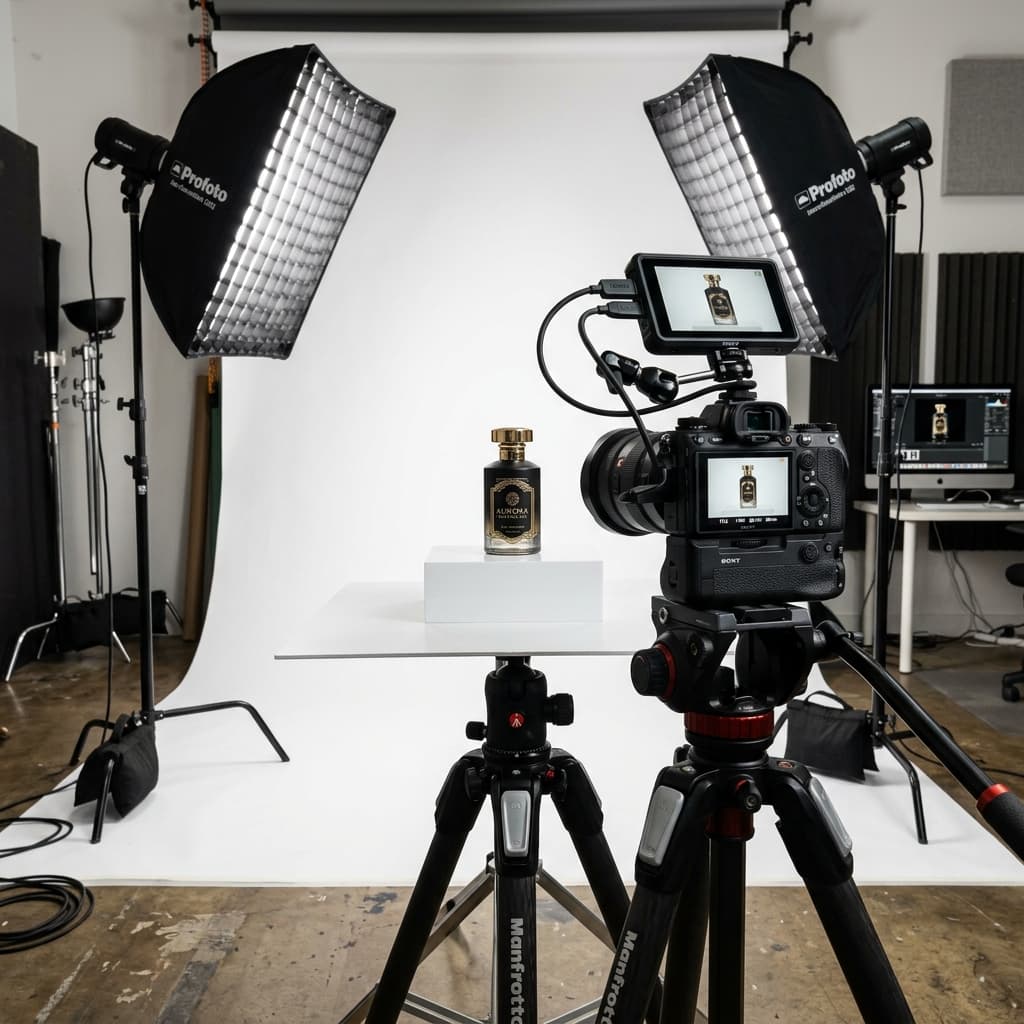
How to Photograph Products on a White Background (DIY Guide)
You don't need a professional studio to get clean white background product photos. Here's exactly how to do it at home — equipment, lighting, camera settings, and the editing tricks that finish the job.
 Fashion
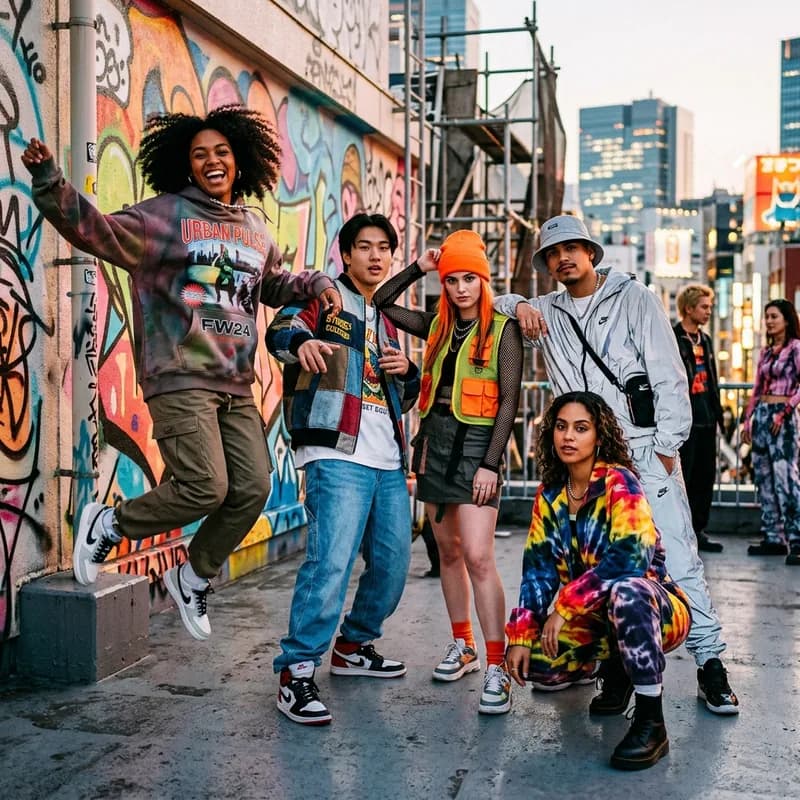
ASOS Seller Image Standards: What Fashion Brands Must Know
ASOS has some of the strictest image standards of any fashion marketplace — and for good reason. Their entire brand identity is built on consistent, high-quality photography. Here's what they require.
 E-Commerce
Google Shopping Image Requirements 2026: Why Rejections Happen & How to Fix Them
Google Shopping disapprovals are frustrating because the error messages are vague. Here's exactly what Google requires for product images in 2026 — and what triggers the most common rejections.
 E-Commerce
Etsy Product Image Requirements 2026: What Actually Gets You Clicks
Etsy doesn't enforce a white background or rigid pixel specs — but its algorithm rewards high-quality, lifestyle-oriented photography over clinical product shots. Here's what the 2026 data shows.
 E-Commerce
eBay Product Image Requirements 2026: Size, Format & Background Rules
eBay's image rules are simpler than Amazon's — but breaking them still gets your listing suppressed. Here's exactly what eBay requires in 2026, category by category.
 Outsourcing
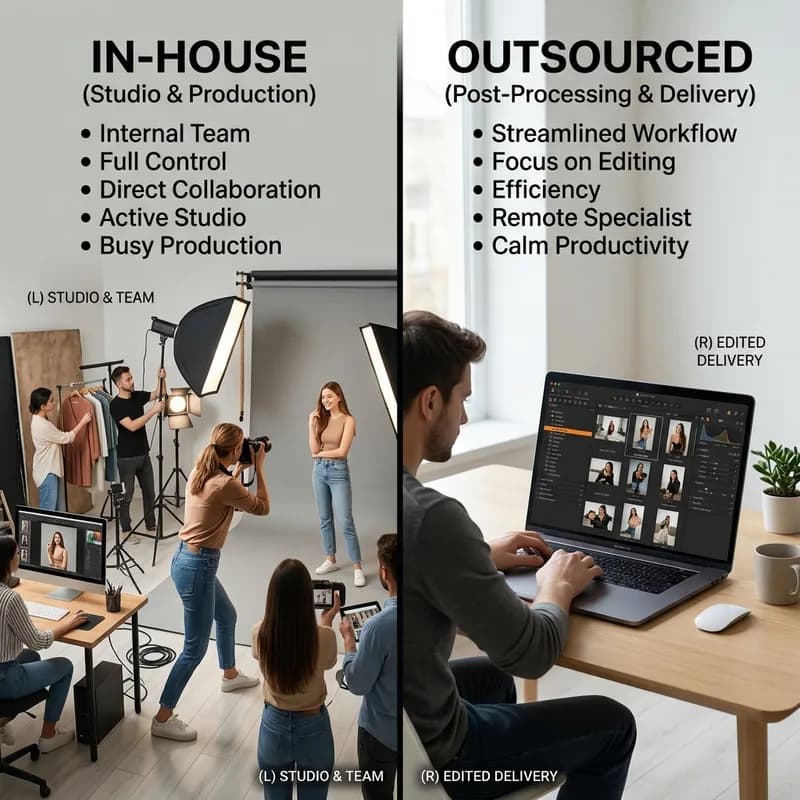
How to Outsource Product Photo Editing: What to Send, How to Brief, What to Expect
Outsourcing product photo editing saves time and scales your catalog — but only if you brief correctly and choose the right partner. Here's exactly what to send, how to communicate your standards, and what to expect on turnaround.
 Color Correction
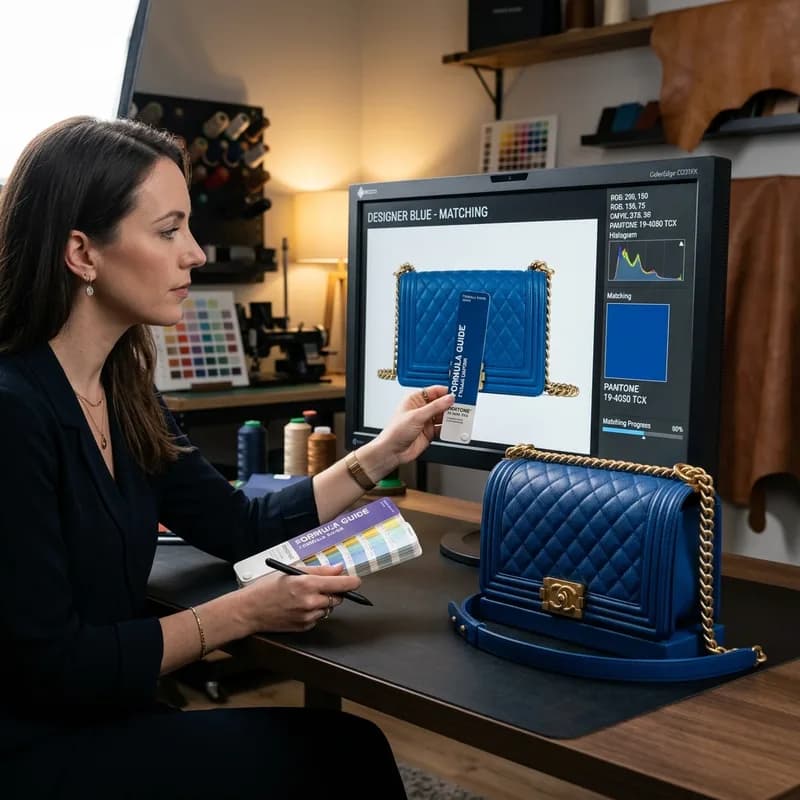
Product Color Accuracy: How Color Correction Reduces Returns and Lifts Conversions
Color discrepancy is the third most common reason customers return online orders. Here’s what professional color correction actually fixes — and why your camera’s automatic settings are quietly costing you returns.
 Clipping Path
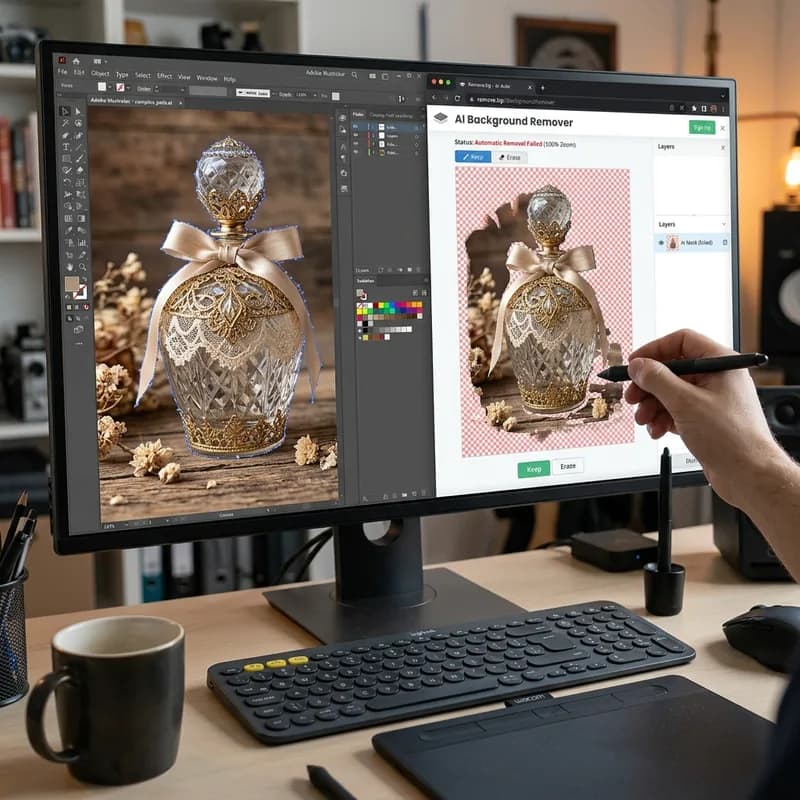
 vs Background Removal: What’s the Difference and When Does Your Product Need Each?
Background removal is the goal. Clipping path is one way to achieve it — and not always the right one. Here’s exactly which technique your products need and why getting it wrong costs you conversions.
 Amazon
Shopify vs Amazon Product Image Requirements: What's Different and Why It Matters
Selling on both Shopify and Amazon? The image requirements are different in ways that matter. A photo that passes Amazon's main image spec can still look wrong on Shopify — here's exactly why.
 Apparel
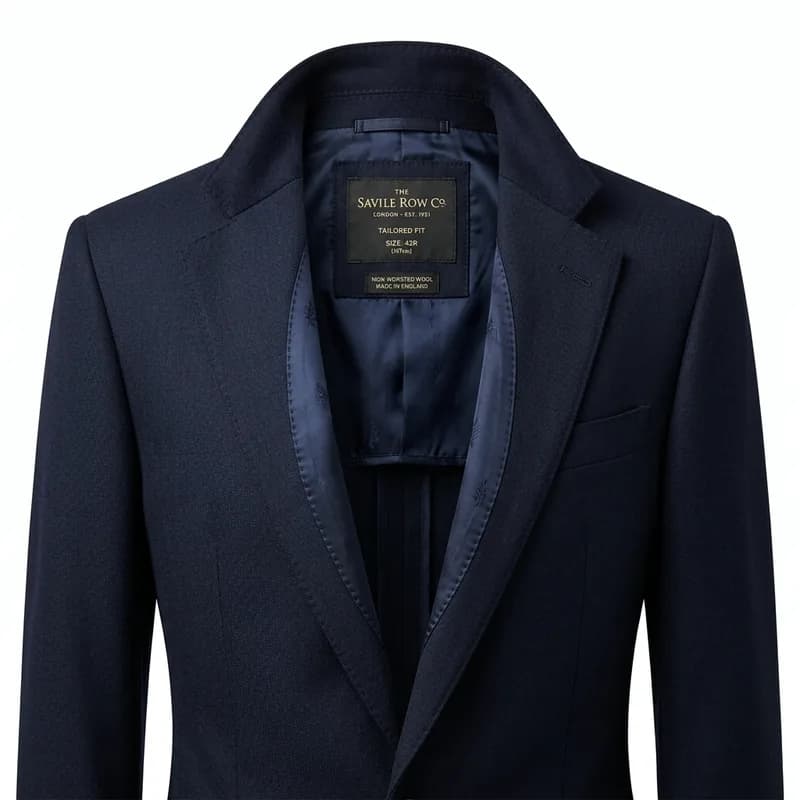
Ghost Mannequin Photography: How the Invisible Mannequin Effect Works
The ghost mannequin effect is how apparel brands show garments in 3D without a live model. This is the complete technical breakdown of how it's shot and edited.
 Pricing
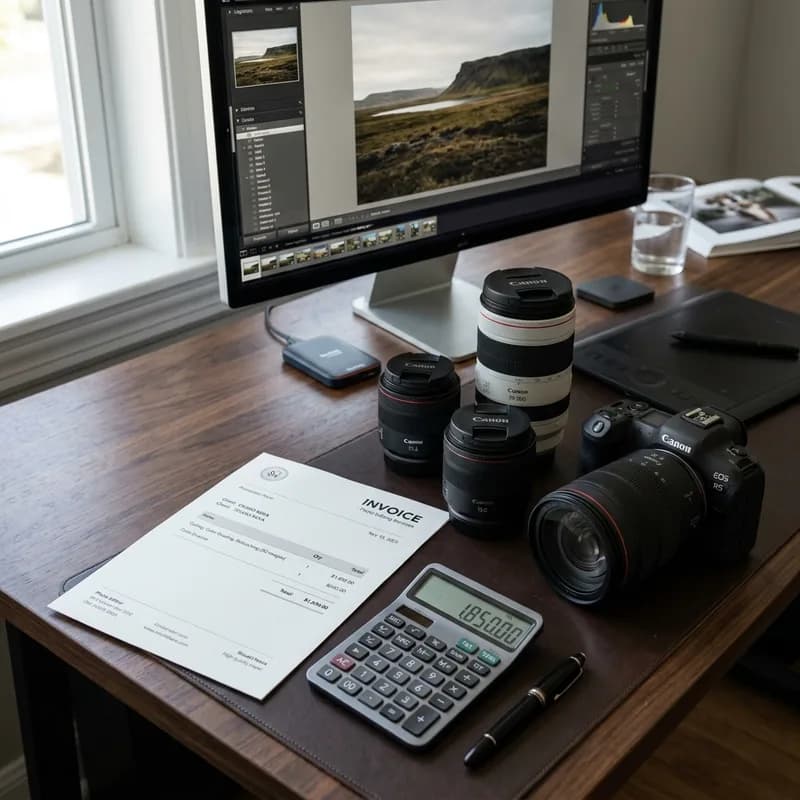
How Much Does Product Photo Editing Cost? (2026 Pricing Guide)
Background removal, ghost mannequin, jewelry retouching, color correction — every service has a different price range. Here's exactly what drives the cost and what to expect at each tier.
 Amazon
 Product Image Requirements: The Complete Technical Checklist (2026)
Amazon suppresses listings that fail image requirements without warning. Full technical specification: background, size, zoom, and category-specific rules.
 Fashion
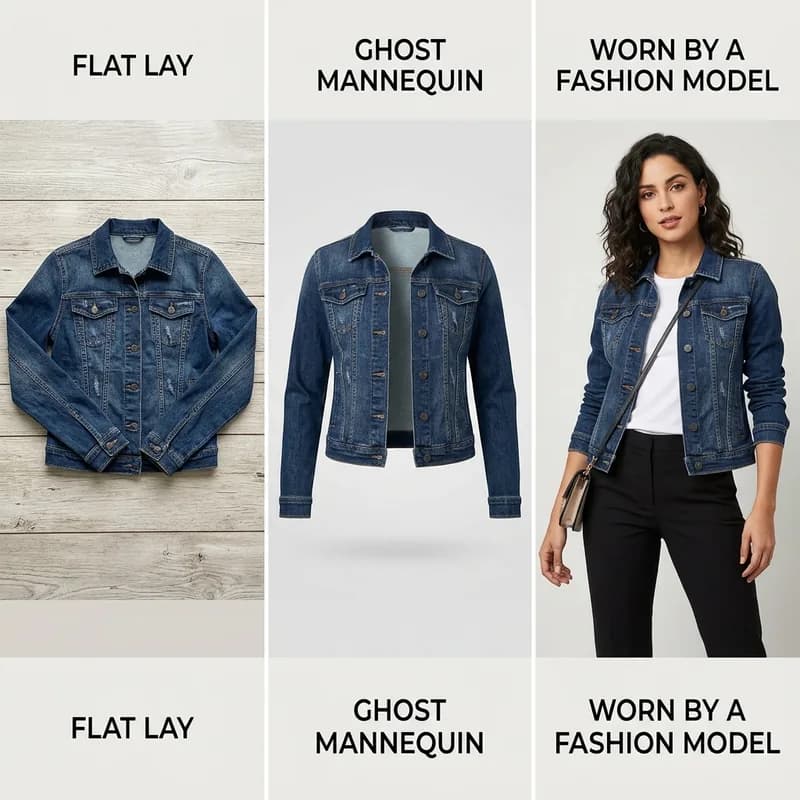
Flat Lay vs Ghost Mannequin vs On-Model: Which Apparel Photography Style Converts Best?
Three ways to photograph the same garment — three very different outcomes. Conversion rates, production costs, and platform compliance all point to different answers depending on your brand and budget.
See What Professional Retouchers Can Do For Your Images.
Submit 5 of your own images and we'll edit them to commercial standard — free, no card, no commitment.
Start Free Trial