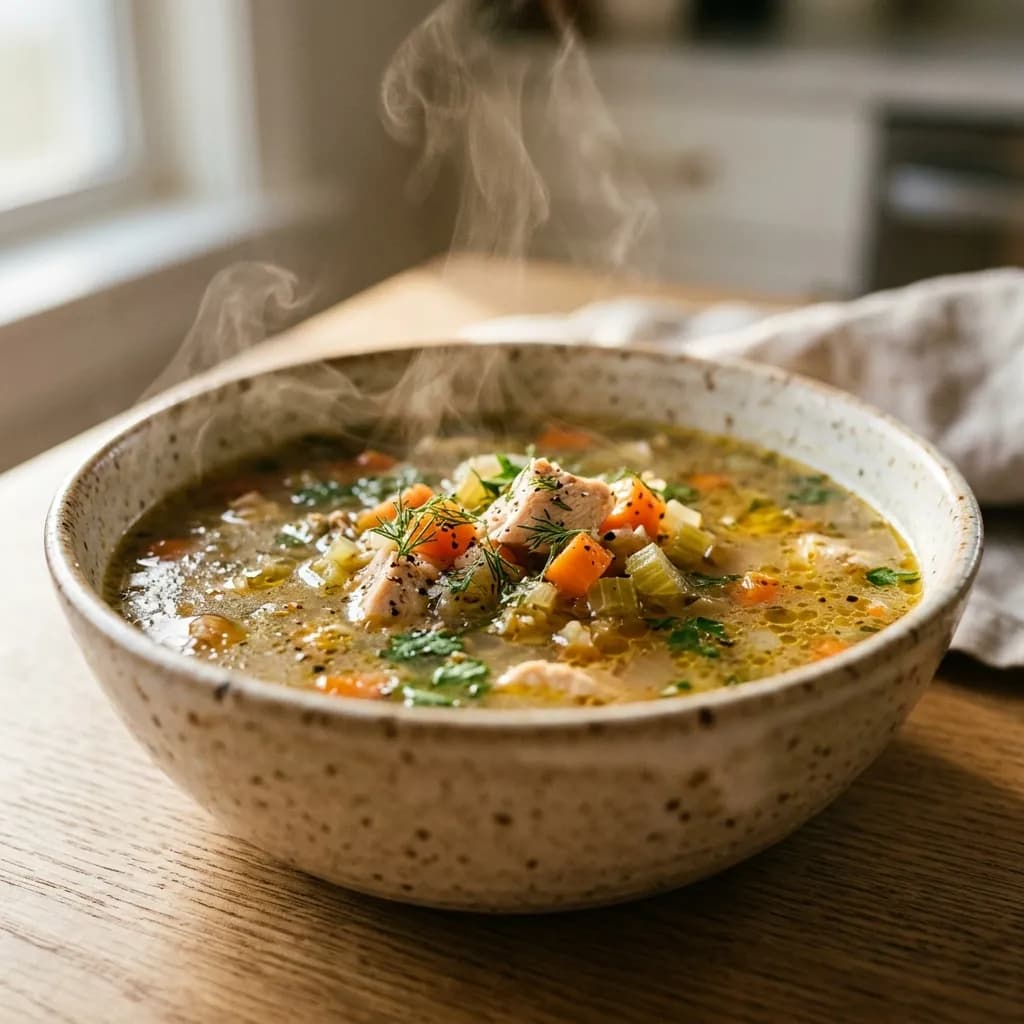
Editing food product photography shares the basic mechanics of any e-commerce image work — background cleanup, color correction, resizing for platform specs — but carries a set of category-specific problems that general product retouching doesn't. Color has to be accurate against both the packaging and the food itself, which shoppers will taste-test their expectations against. Steam, condensation, and freshness cues carry outsized weight in a purchase decision. And unlike a lamp or a jacket, there are real regulatory limits on how far food imagery can be enhanced before it crosses into misleading advertising. This guide covers what's actually different about editing food product photos for e-commerce.
Color Accuracy: Two Things to Match, Not One
Most product photography needs to match one reference — the physical product itself. Packaged food needs to match two: the product as it appears on the package (which sets the shopper's expectation before purchase) and the food itself as it will actually look when the buyer opens it. A retouched image that makes a sauce look richer or a bread look more golden than either the packaging depiction or the actual product creates a double mismatch that shows up as disappointment on delivery — and food is a category where that disappointment translates into return requests, negative reviews, and platform quality flags faster than most other product types.
- Color-correct against a physical reference sample under neutral lighting, not just visually on a calibrated monitor — food color shifts are subtle and easy to miss without a direct comparison.
- Match saturation and warmth to how the product photographs under standard studio lighting, not enhanced beyond what the actual food looks like under normal conditions.
- For products with natural color variation between units (baked goods, produce, anything without perfectly uniform manufacturing), photograph and retouch a genuinely representative unit rather than cherry-picking the most visually appealing outlier.
Steam, Condensation, and Freshness Cues
Steam rising from a hot dish and condensation on a cold beverage are among the most effective visual cues in food photography — they signal temperature and freshness in a way a static, room-temperature shot can't. These effects are frequently added or enhanced in post-production rather than captured live, since real steam is difficult to control and photograph consistently, and condensation on packaging often needs to be added or built up beyond what a quick studio shot naturally produces.
- Digitally added steam and condensation should look physically plausible — steam that doesn't match the implied heat source, or condensation droplets that don't follow gravity correctly, reads as fake and undermines trust rather than building appetite appeal.
- These effects should represent genuinely achievable product conditions (the product actually does steam when hot, actually does condensate when cold) rather than implying a state the product can't realistically be in.
- Overuse across an entire catalog — every single product photographed with steam or condensation regardless of whether it's genuinely relevant — reads as a formulaic template rather than an authentic freshness cue, and shoppers do notice the pattern.
Ingredient and Component Shot Compositing
A common food photography format shows the finished product alongside its key ingredients — a pasta dish next to tomatoes and basil, a smoothie next to the fruit used to make it. These composite shots are frequently built from separately photographed elements rather than a single genuine setup, since controlling lighting and freshness across a live scene with a hot dish and fresh-cut produce simultaneously is often impractical. Compositing is standard practice here, but the same accuracy principle applies: the ingredients shown should be ones actually used in the product, in roughly the proportions and forms actually present, not a generic stock arrangement that implies a richer or different ingredient list than what's on the actual label.
Packaging Reflection and Label Legibility
Packaged food often ships in reflective materials — foil pouches, plastic wrap, glossy cardboard — that create the same reflection-control challenges as glossy electronics, but with an added constraint: the label information (ingredients, nutrition facts, certifications) needs to stay legible in secondary images even after glare and reflection cleanup, since accurate label representation carries its own compliance weight beyond simple product photography standards.
Legal and Platform Limits on Food Image Enhancement
Food carries retouching restrictions that most product categories don't. Regulatory bodies in multiple markets treat food advertising imagery as subject to truth-in-advertising standards more strictly than general merchandise, on the reasoning that a misleading food image creates a more direct and immediate consumer harm (a shopper eating a product that looks nothing like what they were shown) than a misleading photo of, say, a piece of furniture. Practical limits that matter for e-commerce sellers:
- Don't add ingredients, garnishes, or serving elements that aren't included in the actual product — a garnish shown in a hero image that isn't part of what ships is a common source of consumer complaints and, in some markets, a genuine regulatory risk.
- Don't misrepresent portion size or serving suggestion as the actual product quantity without clear labeling that the image shows a serving suggestion, not the literal contents.
- Color enhancement should stay within the range of how the actual product can plausibly look under good lighting and careful styling — not push into a color the product genuinely never achieves.
- Platform-specific food category policies (Amazon, Instacart, and grocery-specific marketplaces often have distinct rules from general merchandise categories) should be checked directly, since enforcement and specificity vary significantly by platform.
Common Editing Mistakes in Food Photography
- Over-saturating color beyond what the actual food looks like, creating a gap between the image and the delivered product that drives disappointment and returns.
- Adding steam or condensation that looks physically implausible rather than representing genuinely achievable product conditions.
- Compositing ingredient shots with items not actually used in the product, misrepresenting the ingredient list shown visually versus what's on the label.
- Cleaning up packaging reflections in a way that obscures required label information rather than preserving legibility while controlling glare.
Category-Specific Priorities Within Food
Not every food category shares the same editing priorities. Fresh produce and bakery items depend most heavily on the color-variation handling already covered, since these products have the least manufacturing uniformity and the most natural batch-to-batch difference. Prepared and ready-to-eat meals lean hardest on steam and freshness cues, since the purchase decision for a hot, ready meal is driven largely by appetite appeal in a way a shelf-stable pantry item isn't. Beverages carry their own specific challenge around condensation and liquid clarity — a beverage that photographs cloudy or flat when the actual product pours clear and carbonated creates exactly the kind of expectation mismatch this guide has covered throughout. Shelf-stable packaged goods (snacks, dry goods, canned items) generally carry the lowest editing risk of the group, since the product itself doesn't change dramatically in appearance between the studio shot and the eventual delivery.
Seasonal and Promotional Imagery
Food brands frequently produce seasonal variants of core product photography — a soup shown steaming in a winter-styled scene, the same soup shown chilled or in a lighter styling for a summer promotion. This is a legitimate and common practice, but the same accuracy principle applies across seasonal variants as it does to the base product photography: styling and context can change (props, background, seasonal garnish), but the core product itself — its actual color, texture, and portion — should remain consistent with what ships regardless of which seasonal image variant a shopper happens to see. Sellers who let seasonal styling drift into altering the apparent nature of the product itself, making a soup look thicker in a winter shot than a summer shot, for example, when the product is unchanged, reintroduce the same expectation-mismatch risk covered above.
A Quick Checklist Before Publishing Food Product Images
- Verify color accuracy against a physical reference sample, not just visual judgment on a monitor.
- Confirm any added steam, condensation, or styling effects represent achievable product conditions, not an exaggerated state.
- Check that composited ingredient shots reflect the actual product's ingredient list, not a generic or enhanced arrangement.
- Verify label legibility is preserved after reflection and glare cleanup on packaging.
Our product retouching service handles color accuracy, packaging reflection cleanup, and compositing for food and beverage catalogs while keeping enhancement within what the actual product can plausibly deliver. Submit 5 images for a free trial to see our editing approach before committing your catalogue.