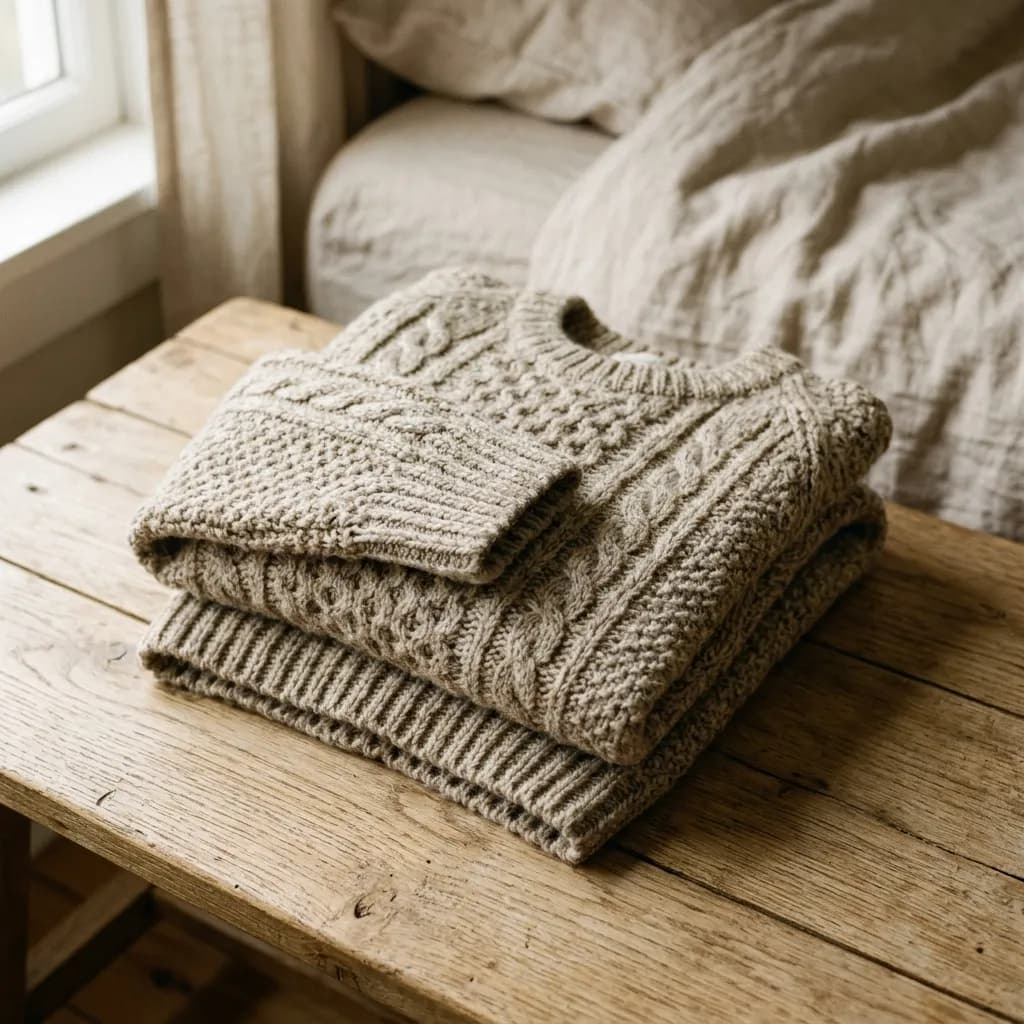
Resale and peer-to-peer fashion platforms run on a fundamentally different trust model than Amazon or a brand's own Shopify store. A new-item listing benefits from a clean, idealized product shot because the buyer expects a factory-fresh item that matches the studio image exactly. A resale listing on Vinted, Depop, or Poshmark is selling a specific, individual, used item, and buyers on these platforms are explicitly trying to assess its actual condition — over-polished photos on a secondhand listing read as suspicious rather than aspirational, and can trigger more questions, more returns, and more negative feedback than a slightly rough but honest photo would. This guide covers where light editing genuinely helps a resale listing and where it crosses into the kind of misrepresentation that damages seller reputation on these platforms specifically.
What Resale Buyers Actually Expect to See
Buyers on resale platforms have internalized that they're buying used goods, and most have been burned at least once by a listing that looked better in photos than in person. This shifts the entire calculus of what "good" photography means on these platforms: a listing with honest lighting, a visible fabric texture, and clearly photographed flaws builds more buyer confidence than one that looks suspiciously perfect. Sellers who consistently earn strong ratings on Vinted, Depop, and Poshmark tend to lean toward transparency as a selling strategy — showing wear clearly rather than hiding it, since a buyer who receives exactly what they expected is far less likely to open a dispute than one who feels misled, even mildly.
Editing That Helps: Legitimate Light Touch-Ups
- Basic exposure and white balance correction to make a photo taken in mediocre indoor lighting readable — this helps buyers see the item accurately rather than obscuring anything.
- Straightening a crooked or tilted shot for a cleaner presentation without altering the item itself.
- Cropping out background clutter (a messy room, unrelated objects) as long as the item itself remains unaltered and fully shown.
- Mild contrast and clarity adjustments that make fabric texture and stitching detail more visible, which helps buyers assess condition rather than hiding it.
Editing That Hurts: What Reads as Misleading
- Removing or blurring visible flaws — stains, pilling, small tears, discoloration — that a buyer would reasonably want to know about before purchasing. This is the single most damaging category of over-editing on resale platforms and is the most common source of "not as described" disputes.
- Heavy color correction that shifts the item's actual color meaningfully away from reality, since color mismatch on a one-of-a-kind used item can't be resolved with an exchange the way it might be for a new-item listing with restocked inventory.
- Retouching fabric texture to look newer or less worn than the item's actual condition, directly undermining the condition rating (e.g., "gently used," "good condition") stated in the listing text.
- Using stock or brand catalog photos instead of photos of the actual item being sold — technically not "editing" but the same trust violation, and against most resale platforms' explicit policies.
Background and Staging: Where the Line Sits
Unlike new-item e-commerce, resale platforms don't require pure white backgrounds, and most buyers respond better to natural, in-context photography — an item laid flat on a bed, hung on a door, or worn by the seller — than to an artificially staged studio shot, which can paradoxically read as less trustworthy on these platforms. Light background cleanup (straightening, cropping, basic brightness) is fine; replacing the background entirely or compositing the item into a different setting crosses into misrepresentation territory, since resale buyers are often assessing context clues (the seller's apparent care, the conditions the item was stored in) that a heavily staged or composited photo removes.
Platform-Specific Norms
- Depop skews toward a more curated, editorial aesthetic than Vinted, and light styling (a considered flat-lay, natural outdoor light) tends to perform well without crossing into misrepresentation, as long as the item's actual condition remains clearly visible.
- Vinted buyers generally favor a more straightforward, minimal-editing approach, and its buyer base is particularly sensitive to listings that look "too polished" for a peer-to-peer resale context.
- Poshmark sits between the two, with "closet" branding and consistent flat-lay styling common among high-volume sellers, but the same flaw-visibility standard applies regardless of styling polish.
Photographing Brand Authenticity Markers
For designer or higher-value resale items, buyers on Vinted, Depop, and Poshmark specifically look for close-up photos of authenticity markers — stitching patterns, hardware engravings, serial numbers, care label details — that help them verify the item is genuine before purchasing. Editing these images requires extra care around sharpness and detail preservation rather than the smoothing or stylization appropriate for a general lifestyle shot, since the buyer's actual goal with these photos is close visual inspection. Softening or over-processing an authenticity-marker photo, even unintentionally through a heavy-handed noise reduction pass, can read as suspicious and cost a sale on higher-value items where buyers are already primed to be cautious about counterfeits.
Multiple Angles and Detail Shots Matter More Than Editing Quality
On resale platforms, the number and coverage of photos does more to build buyer trust and reduce disputes than the polish level of any individual image. A listing with 6-8 honest, slightly imperfect photos covering every angle, close-ups of any flaws, and the brand tag or size label typically outsells and out-satisfies a listing with 2-3 heavily edited but incomplete photos. If choosing between spending effort on editing quality versus photo coverage, coverage wins on these platforms — buyers are trying to build a complete mental picture of the actual item, not evaluate photographic polish.
Batch Editing for High-Volume Resellers
Sellers moving significant volume on these platforms — reselling as a side business or full operation rather than clearing out a personal closet — face a different problem than a one-off casual seller: consistency across hundreds of listings without the time to hand-edit every photo individually. The temptation at volume is to apply a uniform preset across every batch for speed, but a single preset tuned for one fabric type or lighting condition can shift colors inaccurately on different materials shot in different rooms or at different times of day. A workable middle ground is a light, conservative baseline correction (exposure, white balance) applied in batch, with a manual spot-check pass on items where color accuracy matters most — jewelry, anything with a printed pattern, and items in unusual or saturated colors where a shift is most likely to mislead a buyer.
How Photo Honesty Affects Seller Metrics Over Time
Resale platforms track seller-level metrics — rating, return rate, response to disputes — that compound over time in ways a single listing's photo quality doesn't. A seller who consistently under-represents flaws in photos accumulates a return and dispute history that follows their account, showing up in seller ratings new buyers see before purchasing, which affects conversion on every future listing, not just the one with the misleading photo. Conversely, a reputation for honest, thorough photography becomes a competitive advantage on these platforms specifically, since buyers on peer-to-peer marketplaces weight seller trust more heavily than buyers on anonymous new-item marketplaces, where the platform itself absorbs most of the trust burden.
How to Photograph Flaws Clearly
Showing a flaw well is a skill of its own, and it protects you far more than hiding it ever could:
- Use angled daylight. Light coming from the side makes pilling, snags and creases visible, while flat front light tends to hide them.
- Show the size of the flaw. Place a coin or a ruler next to a stain or hole so buyers can judge whether it matters to them.
- Take one close-up and one wider shot. The close-up shows what the flaw looks like; the wider shot shows where it sits on the garment, for example on the cuff or the centre front.
- Mark it if it is hard to spot. A simple circle or arrow added to the photo is fine, because it points the flaw out rather than changing it.
Mention every flaw in the description as well, matching the photos. Buyers who have seen and read about a flaw rarely complain about it later.
Showing Fit and Measurements
Size labels are unreliable on secondhand clothing: brands size differently, sizing changes over the years, and garments shrink or stretch with wear. Because a resale item usually cannot be exchanged for another size, a wrong fit often means a return or an unhappy buyer. Measurement photos solve most of this:
- Lay the garment flat and photograph a tape measure across the key points: chest from armpit to armpit, length from shoulder to hem, and waist and inside leg for trousers.
- Add a worn photo or a mannequin shot, and note your own height and usual size if you model the item yourself.
- List the same measurements in the description so buyers can compare them with a garment they already own.
A Practical Standard for Resale Photo Editing
- Correct exposure and white balance for readability, not to alter perceived condition.
- Never remove or obscure a flaw that's relevant to the item's stated condition.
- Keep color correction conservative — close enough to accurate that a buyer isn't surprised on arrival.
- Photograph and disclose flaws explicitly rather than relying on photo editing to minimize them.
- Prioritize photo count and angle coverage over polish on any single image.
Our product photo editing service also supports resale and reselling businesses that need honest, readable images at volume — background cleanup and color correction without crossing into misrepresentation. Submit a free sample batch to see the difference.