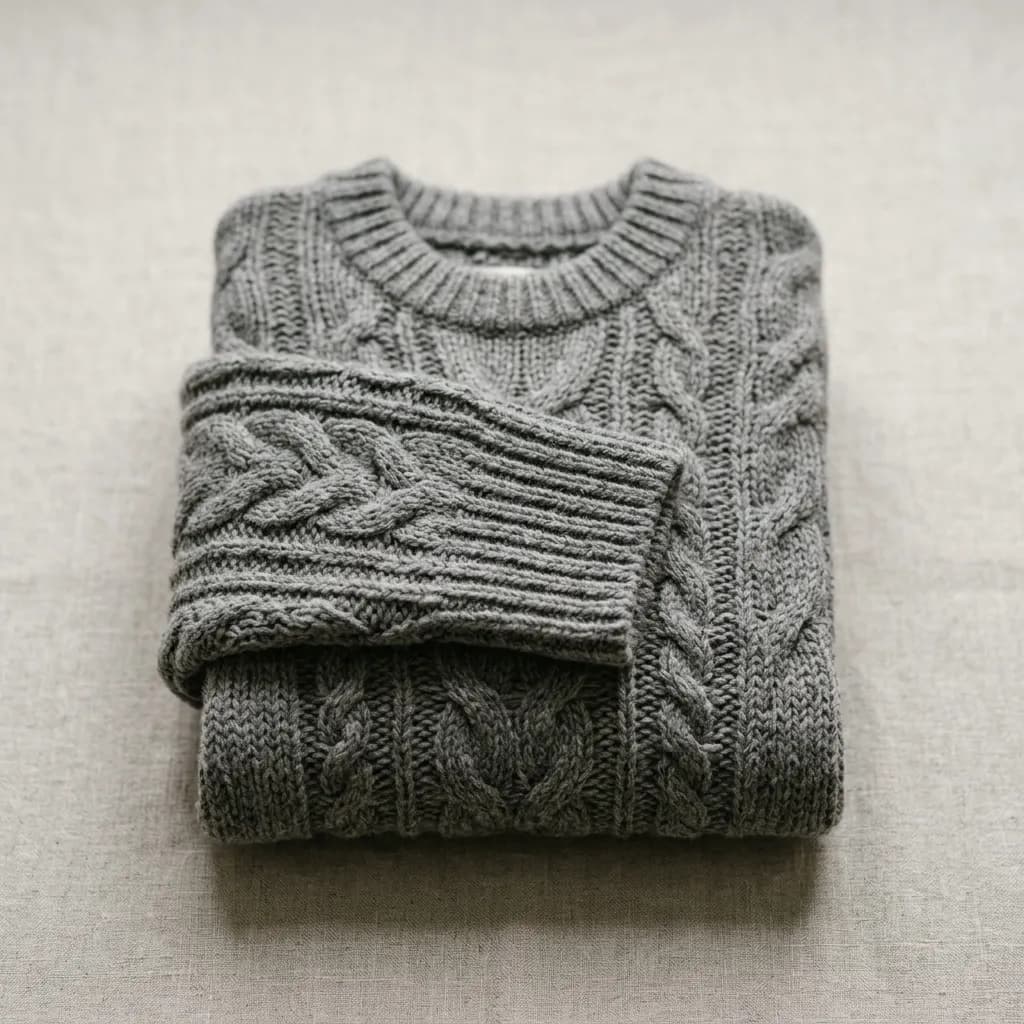
Zalando is a fashion-first marketplace, and its image requirements reflect that specialization more than any general e-commerce platform's spec does. Where Amazon or Target's rules are written for products of any category, Zalando's are written specifically around how apparel, footwear, and accessories need to be photographed to sell well across European fashion shoppers. This guide covers the technical requirements Zalando enforces in 2026, including the portrait-format framing and model conventions that trip up sellers used to square, general-marketplace specs.
Main Image Requirements
Background
- Background must be pure white or very light grey — Zalando's tolerance for near-white is slightly more permissive than Amazon or Target, but true white remains the safest default.
- No props, shadows, or lifestyle context in the main product image.
- For on-model shots, the background must stay uniformly neutral behind the model — no studio clutter or visible equipment.
Format and Dimensions
- Zalando uses portrait-orientation framing as standard — typically around 1000×1500px — rather than the square format common on general marketplaces. This trips up sellers who batch-export square images for cross-platform use without a dedicated Zalando crop.
- Minimum resolution requirements scale with the portrait aspect ratio; images cropped down from a square master to fit portrait framing often lose the resolution margin needed for zoom.
- File format: JPEG preferred.
Ghost Mannequin and On-Model Conventions
Zalando's apparel-specific focus means its image conventions are built around two dominant photography styles:
- Ghost mannequin (invisible mannequin): for garments shown without a model, Zalando expects the standard invisible-mannequin effect — the garment appears to hold its 3D shape with no visible mannequin or model, giving it structure without a body. See our ghost mannequin guide for how this technique works.
- On-model photography: for categories where on-model shots are standard or required, Zalando has specific pose and framing conventions — full-length shots for most apparel, consistent model positioning across a brand's catalog, and neutral, non-distracting expressions that keep focus on the garment rather than the model's personality.
Mixing conventions inconsistently within a single product's image set (one ghost mannequin shot alongside a differently-lit on-model shot for the same item) is a common quality flag — Zalando's review process checks for internal consistency across a listing's full image set, not just individual image compliance.
Color and Fabric Accuracy
Given Zalando's fashion focus, color accuracy carries particular weight — a shopper choosing between a "navy" and "black" version of the same garment relies entirely on the photographed color being accurate. Zalando's content standards require photographed color to match the physical garment under neutral lighting, and repeated color-accuracy issues on a seller's catalog can affect their standing in Zalando's Partner Program quality scoring.
Multiple Angles and Detail Shots
Beyond the main image, Zalando expects a full set covering:
- Front, back, and side views for apparel — a single front-only image set is generally insufficient for approval in most apparel categories.
- Close-up detail shots of fabric texture, stitching, hardware (buttons, zippers, buckles) — these detail images are one of the more effective ways to reduce size/fit and quality-related returns.
- For footwear, sole and side-profile views in addition to the standard angled hero shot.
Zalando's Partner Program and Quality Scoring
Sellers on Zalando's Partner Program are subject to ongoing quality assessment that includes image compliance as one factor among several (alongside return rates, customer satisfaction, and listing completeness). Unlike a simple pass/fail image check, Zalando's quality scoring means that borderline-compliant images that technically clear automated checks but look inconsistent or low-effort compared to category norms can still suppress a seller's standing over time — similar in spirit to how Walmart's Content Quality Score affects ranking beyond hard compliance.
Common Rejection Reasons
- Square-cropped images submitted without adapting to Zalando's portrait format — a direct crop from a square master often cuts off garment detail at the top or bottom.
- Inconsistent lighting or background between ghost mannequin and on-model shots in the same product's image set.
- Missing back-view or detail shots for apparel categories where Zalando expects a full angle set, not just a hero image.
- Color drift between the main image and swatch/variant images — the same accuracy issue that affects other marketplaces, but weighted more heavily given Zalando's fashion-first audience.
Preparing Images for Zalando at Scale
- Shoot or crop specifically for portrait format rather than adapting a square master after the fact — building the portrait crop into the original shoot composition avoids losing detail at the edges.
- Standardize ghost mannequin and on-model conventions across your catalog so every listing reads consistently, not just individually compliant.
- Color-grade swatches and main images in the same session to avoid the accuracy drift that Zalando's fashion-focused review is most likely to catch.
- Budget for a full angle set per SKU (front, back, side, detail) rather than treating additional angles as optional — Zalando's apparel categories generally expect this as standard, not enhanced, content.
Zalando vs. Amazon and ASOS: Fashion-Specific Differences
Sellers already listing apparel on Amazon or ASOS often assume their existing image set transfers directly to Zalando. In practice, three differences matter most:
- Aspect ratio: Amazon and most general marketplaces default to square. Zalando's portrait standard means a direct re-use of square Amazon images either crops out garment detail or leaves excessive white space at top and bottom — neither passes review cleanly.
- Ghost mannequin vs. flat lay expectations: ASOS has historically leaned toward flat-lay and on-model photography for many categories; Zalando's stronger default toward ghost mannequin for structured garments means a flat-lay-only image set built for ASOS often needs a dedicated ghost mannequin pass for Zalando. See our flat lay vs. ghost mannequin comparison for how to decide which fits a given garment.
- Quality scoring weight: Zalando's Partner Program quality evaluation puts more explicit weight on cross-image consistency within a single listing than Amazon's category-general content policies typically enforce — a mismatch invisible on Amazon can still cost a Zalando seller quality score points.
Sizing and Fit Communication in Images
Beyond raw image compliance, Zalando's fashion focus means fit communication carries more weight than on general marketplaces, where a size chart in the listing description often does the job alone. Detail shots that show how a garment sits — a close-up on the waistband of trousers, the drape of a dress hem, how a jacket closes across the chest — help reduce the size and fit uncertainty that drives a large share of apparel returns industry-wide. Sellers who treat these shots as optional extras rather than standard content tend to see higher return rates on ambiguous-fit categories (outerwear, tailored pieces, anything with structured shoulders) than sellers who budget for them as part of the core image set. This is also where ghost mannequin work pays off specifically for fit communication: showing a garment's true silhouette without a model's individual body shape distorting the read gives shoppers a cleaner sense of how the piece is actually cut.
Seasonal Catalog Refresh Considerations
Zalando runs seasonal catalog refreshes tied to fashion cycles more aggressively than general marketplaces, and sellers who plan image production around those cycles get a meaningful visibility advantage. New-season listings with fresh, on-trend image sets tend to get more organic placement during seasonal transitions than older listings carrying over prior-season photography with only the product description updated. Budgeting a periodic image refresh — not just for new SKUs, but for continuing styles re-entering a new season's assortment — keeps a catalog competitive against sellers who treat their image set as a one-time production cost rather than an ongoing part of merchandising.
One Image Set Across Multiple Storefronts
Zalando operates storefronts across more than a dozen European markets from a single seller account, which means one image set typically needs to satisfy every market it's shown in rather than being customized per country. This favors neutral, universally legible imagery over anything that leans on region-specific styling cues, text overlays, or model casting that reads as targeted to a single market. Sellers expanding from a single-market platform to Zalando's pan-European reach sometimes over-invest in market-specific variants when a single well-executed, market-neutral image set would perform consistently across all storefronts with less production overhead.
A Quick Checklist Before Submitting to Zalando
- Confirm portrait-format framing (approx. 1000×1500px), not a square crop adapted after the fact.
- Check ghost mannequin and on-model images for consistent lighting and background within the same product's set.
- Verify a full angle set exists — front, back, side, and relevant detail shots for the category.
- Match swatch colors to the main image and confirm accuracy against the physical garment under neutral light.
Our ghost mannequin service and e-commerce photo editing service prepare apparel images to Zalando's portrait format and consistency standards, including matched ghost mannequin and on-model editing. Submit 5 images for a free trial to verify output quality before committing your catalogue.